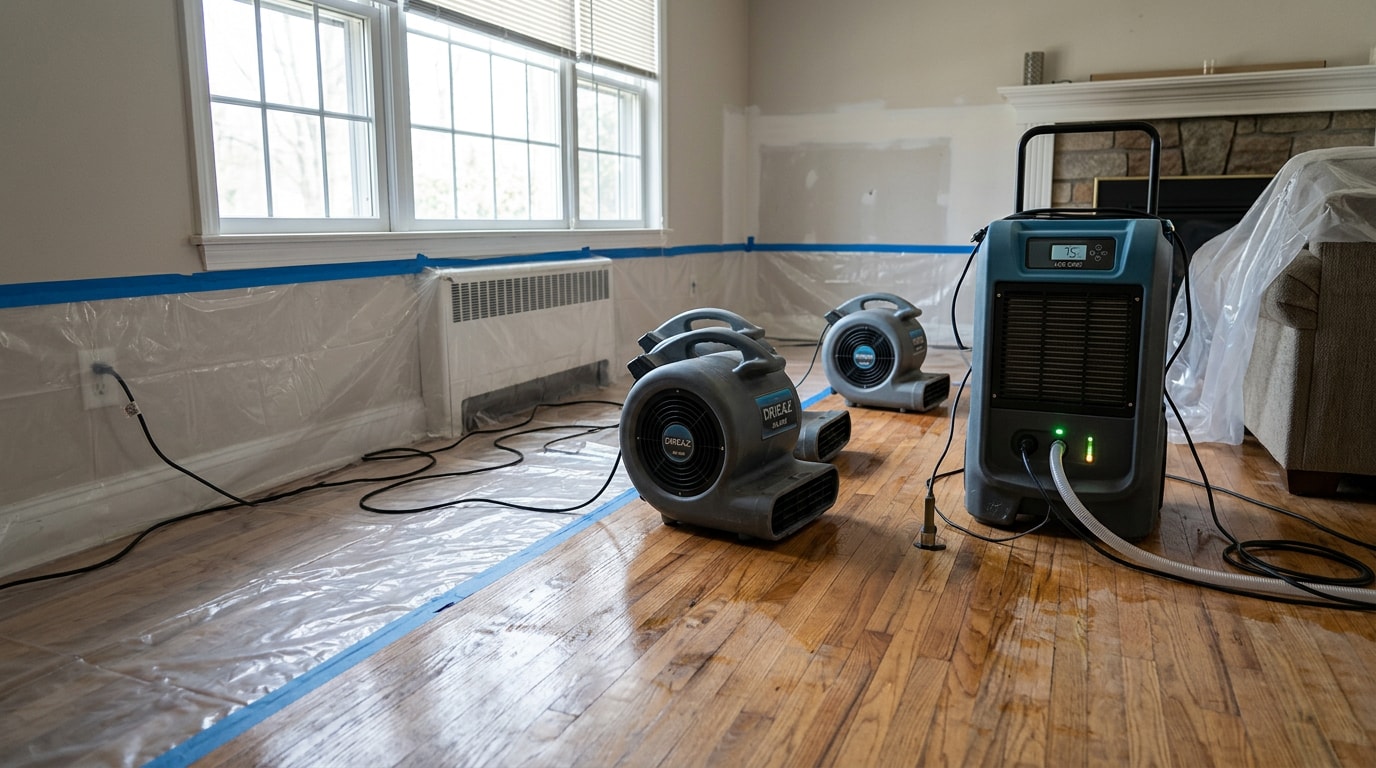

Searching for mold testing and remediation near me in Greenville, SC usually means something already smells musty, looks off-color, or showed up on a home inspection report. Our IICRC-trained crews test, contain, and remove mold in homes from downtown bungalows to new builds in the suburbs, documenting moisture readings room by room so the remediation plan matches what's actually growing. Mold spreads fast in Upstate humidity, so the next 24-48 hours matter more than most homeowners realize.
Signs You Need a Mold Inspection in Greenville, SC
Mold doesn't always announce itself with visible spots. Watch for these warning signs before scheduling a test:
- Persistent musty odor in a bathroom, basement, or crawl space
- Water stains or discoloration on ceilings, walls, or baseboards
- Peeling paint or warped drywall near a past leak
- Increased allergy symptoms that ease when you leave the house
- A recent plumbing leak, roof leak, or flood that wasn't dried within 48 hours
If any of these sound familiar, a professional inspection confirms what's growing and where, rather than guessing from a stain on the ceiling.
Why Greenville's Climate and Older Homes Raise Mold Risk
Greenville sits in a humid subtropical climate, and that moisture doesn't stay outside. Crawl spaces under historic downtown homes trap ground moisture against floor joists, while newer suburban builds can struggle with poor attic ventilation or HVAC condensation. Molds can grow on virtually any substance, providing moisture is present, and if mold is a problem in your home, you should clean up the mold promptly and fix the water problem. That's the real difference between a one-time cleanup and a recurring problem: fixing the source, not just the spots.
Crawl space moisture is the most common root cause we see on Upstate service calls. If your remediation plan doesn't include crawlspace encapsulation or a proper vapor barrier, the mold typically comes back within a year.
Mold Testing and Inspection in Greenville
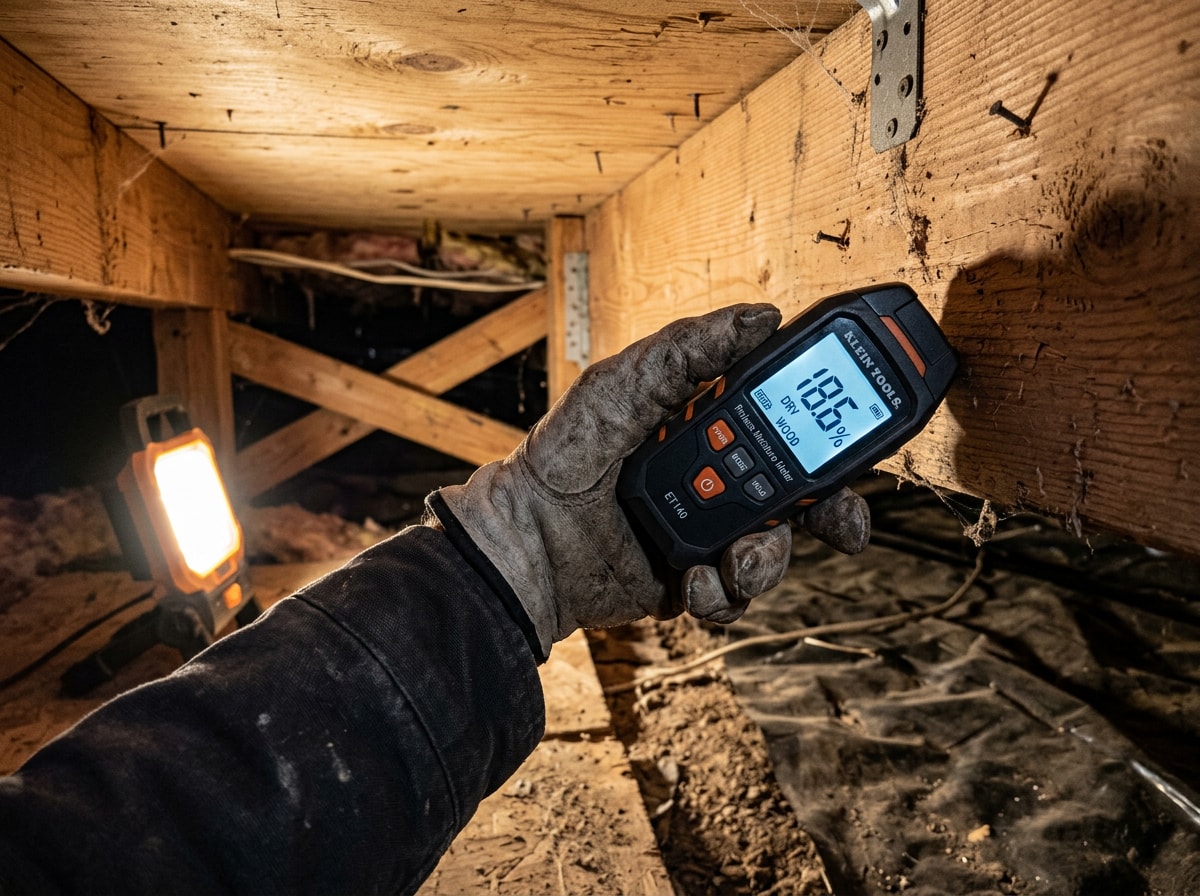
Testing comes before any remediation quote, not after. Our mold abatement process combines air sampling, surface sampling, and moisture-meter readings to confirm what's growing and where.
Free On-Site Inspection and Estimate
A free on-site inspection includes moisture-meter readings and infrared scans to find hidden growth behind walls, under flooring, or in crawl spaces. Technicians document every reading room by room, then walk you through the findings in plain language before recommending next steps. Get a free estimate before any work starts.
Virtual vs. Certified Lab Testing
A virtual inspection can work for visible mold once the water issue is already fixed, giving homeowners fast guidance without a scheduled visit. For real estate transactions, health concerns, or insurance disputes, certified testing with lab-analyzed samples holds up better. Here's a worthwhile contrarian point: the CDC's own position is that mold testing isn't recommended, because the health effects of mold are different for different people, so you cannot rely on sampling and culturing to know whether someone might become sick . In practice that means testing is most useful for documentation (insurance, closings, landlord disputes), not for deciding whether to remediate. If you can see or smell it, it needs to come out regardless of what a lab report says.
Our Mold Remediation Process, Step by Step
Remediation isn't a single spray-and-done visit. It moves through five stages:
- Assessment — confirm the extent of growth and the moisture source
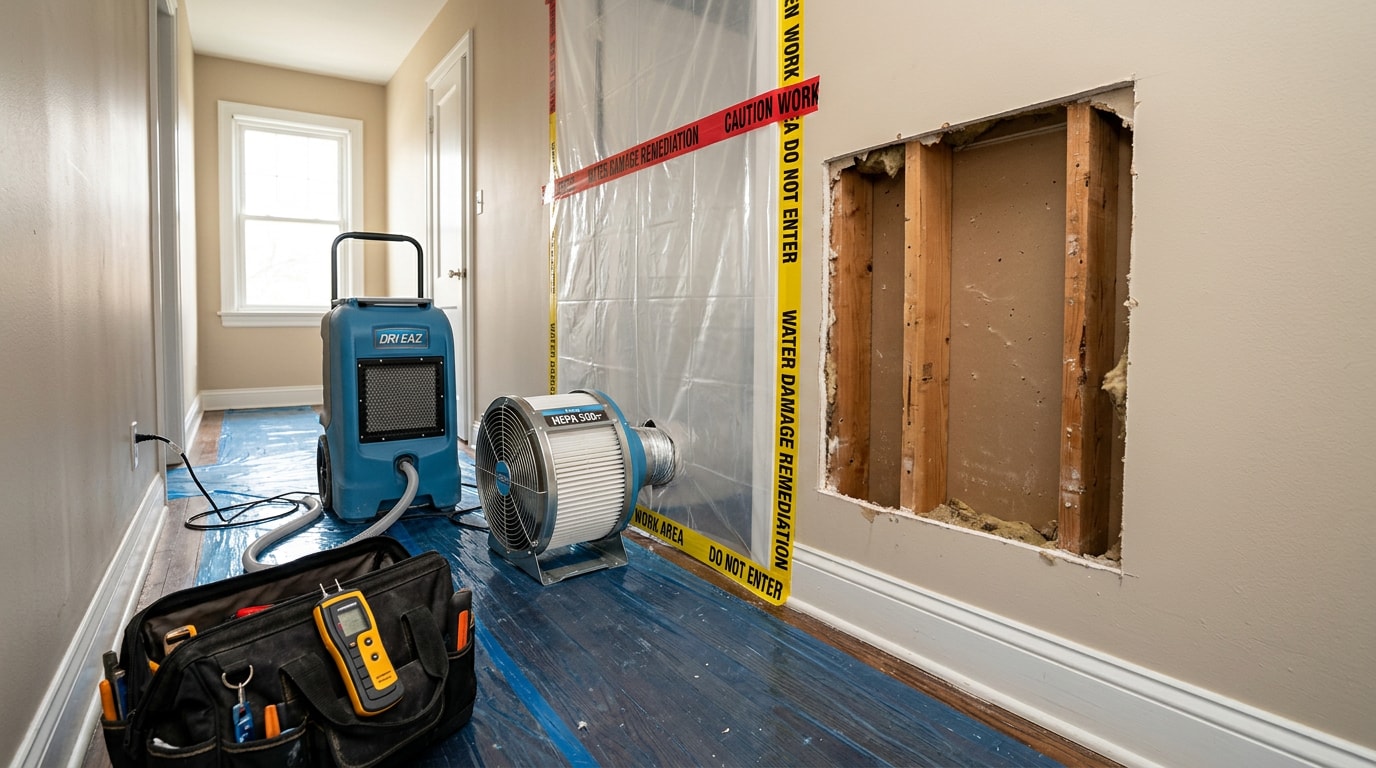
- Containment — seal off the work area with physical barriers and negative air pressure
- Removal — HEPA vacuuming, antimicrobial treatment, and disposal of unsalvageable materials
- Moisture correction — fix the leak, grading, or ventilation issue causing the problem
- Restoration — rebuild drywall, flooring, or cabinetry affected by the removal
Containment and Removal
During active removal, technicians set up containment barriers, then use HEPA vacuums, antimicrobial treatment, and negative air scrubbers to pull spores from the air and strip them from surfaces. This keeps cross-contamination out of unaffected rooms during the project. Standard protocols follow the ANSI/IICRC S520 Standard for Professional Mold Remediation, the industry's procedural benchmark for containment, PPE, and post-remediation verification.
Disposing of Affected Materials
Porous materials like moldy drywall and insulation usually can't be cleaned safely and have to be bagged and hauled out instead. Non-porous materials such as metal, glass, and hard plastic can typically be HEPA-vacuumed and wiped, while porous materials like drywall, insulation, and carpet are generally removed and disposed of as contaminated waste. If the source was a pipe burst or flooding, water extraction and structural drying need to happen before any rebuild starts.
Older Upstate homes sometimes carry a second complication: asbestos in old flooring, siding, or insulation that sits in the same wall cavity as the mold. If that's the case, asbestos abatement has to happen first, under separate containment.
Mold Remediation Cost in Greenville, SC
Pricing depends heavily on square footage, severity, and what's behind the affected materials. These are typical ranges we see on Upstate jobs, broken out by scope:
| Project Scope | Typical Cost Range |
|---|---|
| Small, localized area (under 10 sq ft) | $500 – $1,500 |
| Moderate area with partial drywall removal | $1,500 – $3,500 |
| Crawl space mold with moisture source repair | $2,000 – $6,000 |
| Large-scale, multi-room remediation | $6,000 – $10,000+ |
A free on-site estimate is still the only way to get an accurate number for your specific property, since hidden moisture behind walls or under flooring can change the scope significantly.
Why Choose Our Mold Remediation Team in Greenville, SC
Certifications aren't just a logo on a website. IICRC training and documented containment protocols are what separate a guess-and-spray job from remediation that actually holds. Our crews have worked crawl space mold calls across every Upstate zip code, from century-old foundations near downtown Greenville to post-2015 slab builds where the attic never got enough soffit ventilation, and the pattern repeats: the mold comes back unless the moisture source gets fixed at the same time. That's why every remediation quote includes a moisture-correction recommendation, not just a cleanup line item.
See full coverage details on our Greenville, SC service area page, or start with the homepage for our full restoration lineup. For a deeper look at what separates a reputable mold company from a quick-fix outfit, our guide on mold treatment companies in Travelers Rest, SC covers the questions worth asking before you hire anyone.
Areas We Serve Near Greenville, SC
We run crews throughout the Upstate, including:
FAQ
How can I tell if I have mold?
Visible fuzzy or discolored patches, water stains on ceilings or walls, and a persistent musty odor are the clearest signs. Check near roofs, pipes, and windows for past leaks, since hidden moisture often causes mold long before it's visible. A test or inspection confirms what you're dealing with.
Do I need a mold test before remediation?
Not always. The CDC's position is that testing can't reliably predict whether mold will make a specific person sick, so if you can see or smell it, it should be removed regardless of lab results. Testing is most valuable for insurance claims, real estate transactions, or landlord disputes where documentation matters.
When does mold need a professional remediation company?
If mold growth covers more than 10 square feet, EPA guidance recommends consulting its Mold Remediation in Schools and Commercial Buildings document , which is the same threshold most residential remediators use for DIY versus professional work. Larger infestations, HVAC contamination, or mold that keeps coming back after cleaning also call for a licensed crew instead of store-bought spray.
How much does mold remediation cost in Greenville, SC?
Cost varies by square footage, severity, and materials affected, typically ranging from $500 for a small bathroom spot to $10,000+ for a multi-room crawl space job with moisture repair included. A free on-site estimate gives the most accurate figure for your property.
Is mold damage covered by insurance?
Homeowners insurance typically covers mold tied to a sudden, covered event like a burst pipe, but usually excludes mold from long-term neglect or unaddressed flooding. Coverage varies by policy, so confirm specifics with your carrier before assuming a claim will be approved.
How long does mold remediation take?
Most contained, single-room jobs finish in 1-3 days. Crawl space jobs with encapsulation or multi-room remediation can run 5-10 days depending on how much material needs replacing and how long drying takes before rebuild.