Abatement and restoration in Clemson, SC covers two jobs that often happen on the same property in the same week: removing a hazard like mold, standing water, or asbestos-containing material, then rebuilding what the damage left behind. Clemson's humid summers, heavy spring rain, and mix of lakefront homes, downtown rentals, and pre-1980 housing stock near campus mean most calls involve both steps, not just one. This guide walks through what each service actually includes, how a typical water damage job unfolds, and what drives the cost of crawl space and mold work in this part of the Upstate.
This guide is maintained by the Johnstone Restoration team, IICRC-trained technicians who handle water, mold, and asbestos abatement calls across Clemson and the surrounding Upstate counties every week. Have a specific situation? Get a free estimate from our Clemson crew any time.
What "Abatement" and "Restoration" Actually Mean
The two words get used together so often that people assume they're the same thing. They're not.
- Abatement means removing or neutralizing a hazard: mold colonies, asbestos-containing material, or standing contaminated water. It has to happen before rebuilding can legally or safely proceed.
- Restoration means repairing and rebuilding the property after the hazard is gone: drying structures, replacing drywall, and restoring flooring, cabinetry, and finishes.
In older Clemson homes and rental properties near campus, this distinction matters more than it does in newer construction. A home built before 1980 is far more likely to contain asbestos in flooring, pipe insulation, or siding, and federal workplace-safety guidance treats thermal system insulation and certain flooring in buildings built no later than 1980 as presumed asbestos-containing material until tested otherwise, according to OSHA's standard interpretation on asbestos in disaster remediation. In our experience working on Clemson rentals from that era, old vinyl floor tile and pipe wrap are the materials most likely to force an asbestos abatement step before a kitchen or bathroom remodel can start.
The Water Damage Restoration Process, Step by Step
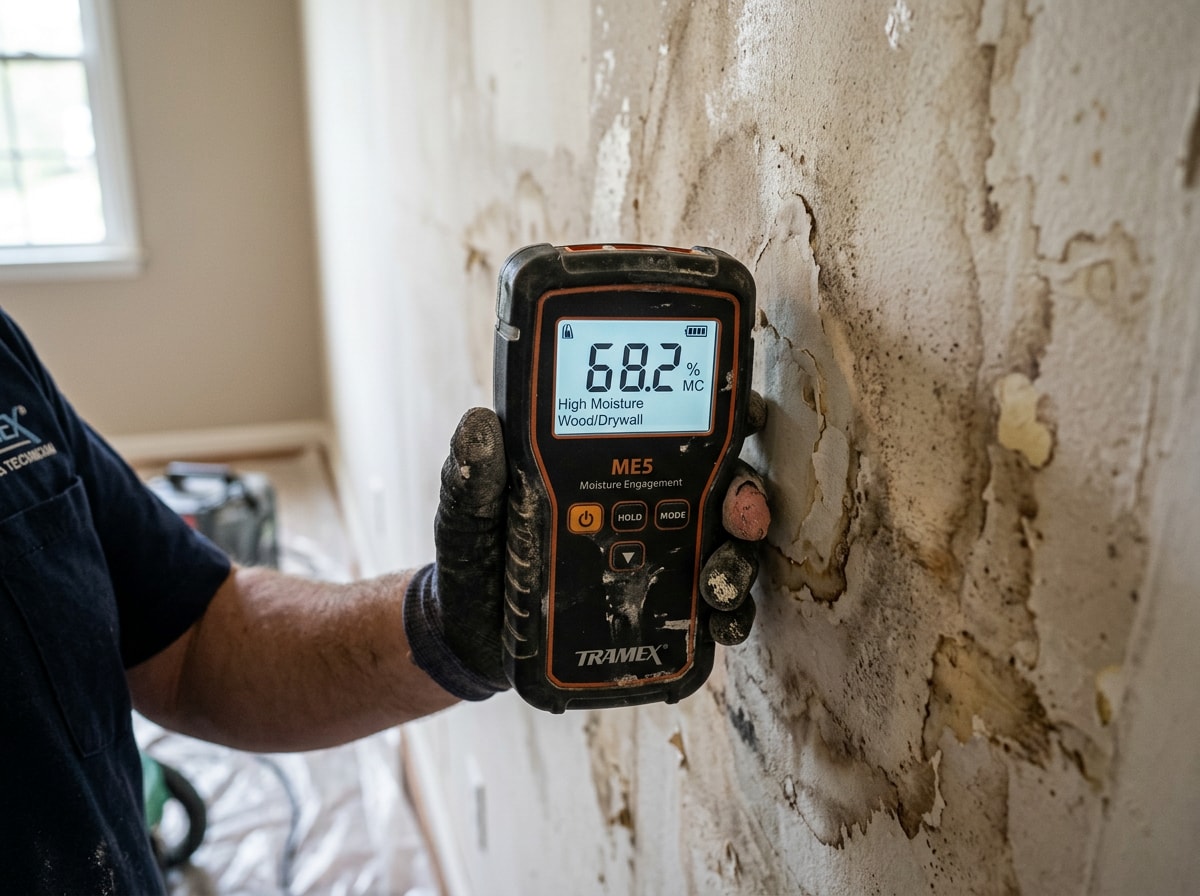
A defined process matters because speed and thoroughness prevent secondary mold damage. Most water damage restoration jobs in Clemson follow the same six stages, whether the source is a burst pipe, storm intrusion, or an appliance leak.
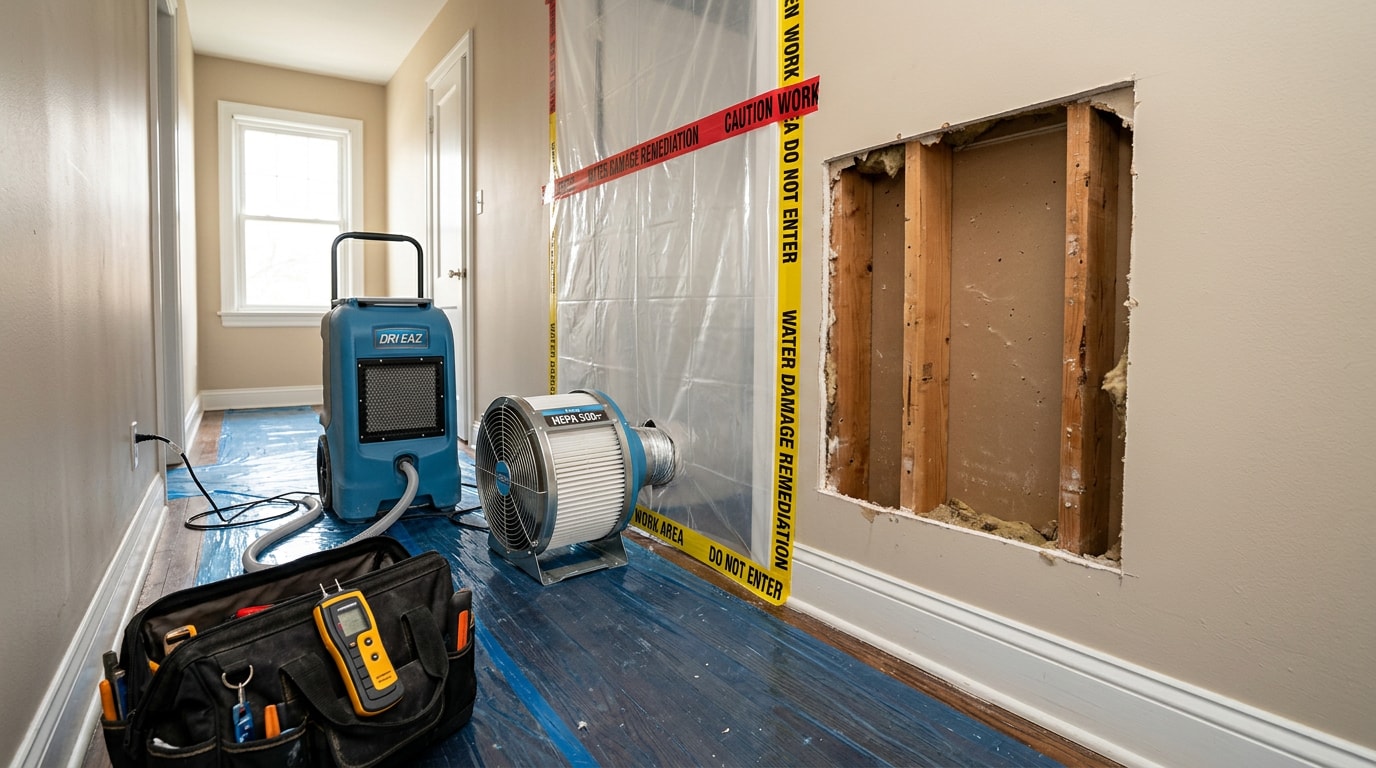
- Damage assessment. Technicians use moisture meters and visual inspection to find the water source, map the extent of damage, and decide which materials can be saved.
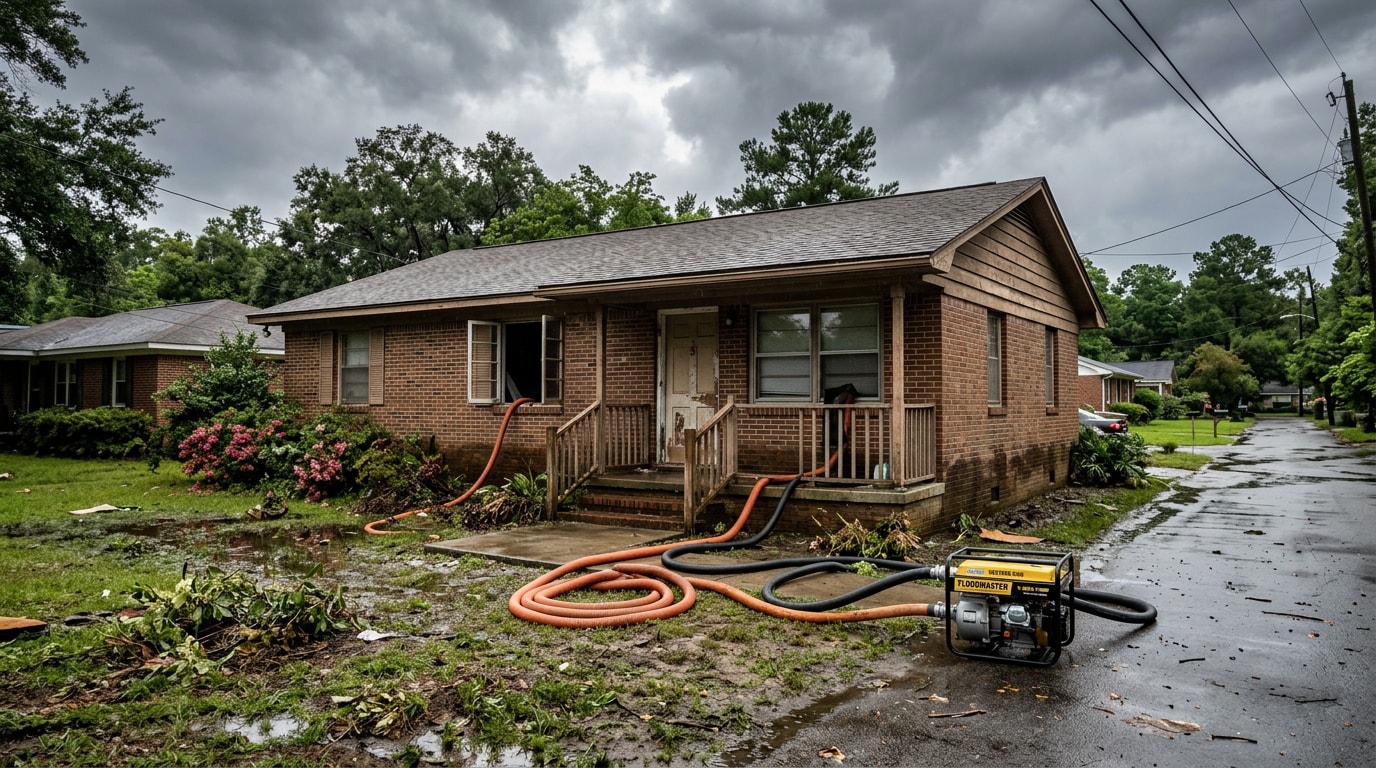
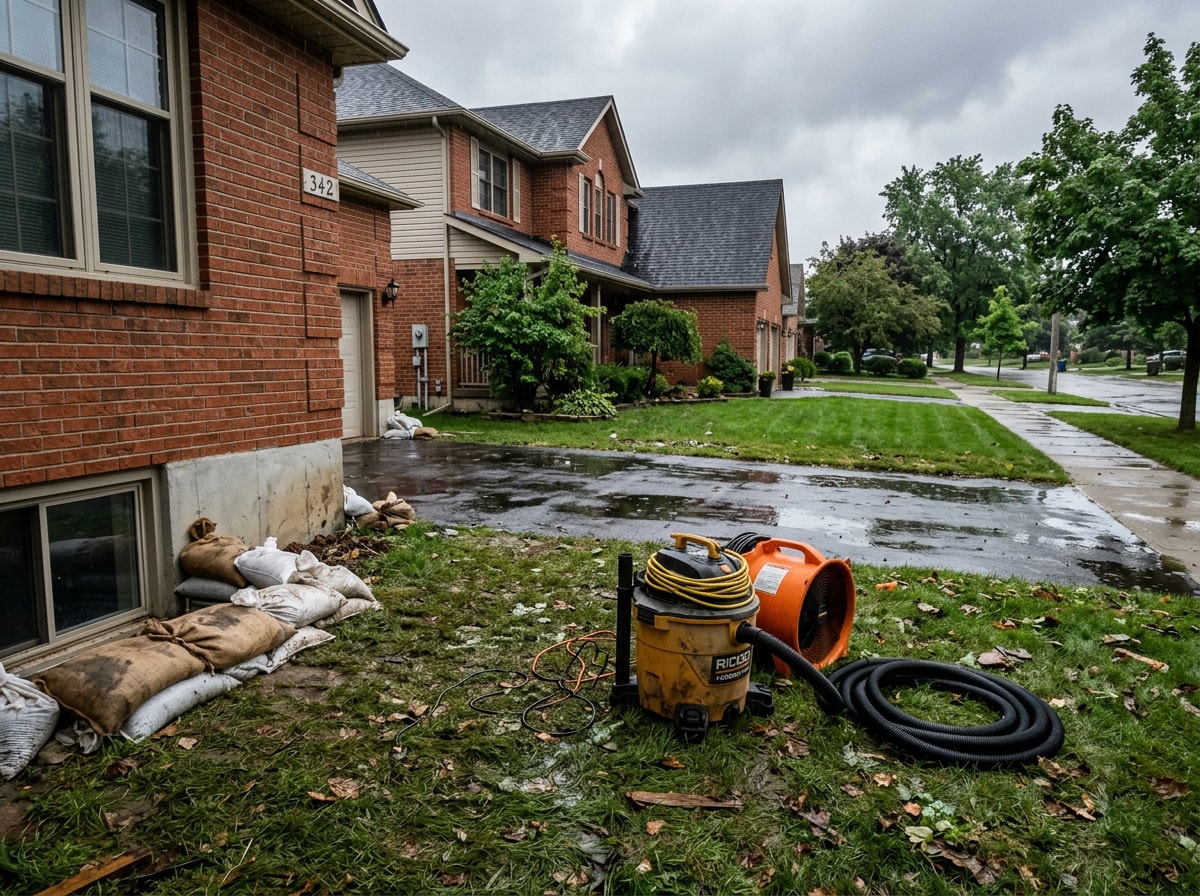
- Water extraction. Truck-mounted or portable pumps and extraction wands clear hundreds of gallons quickly, far faster than a shop-vac approach that can take days and still miss water trapped under flooring. Learn more about water extraction.
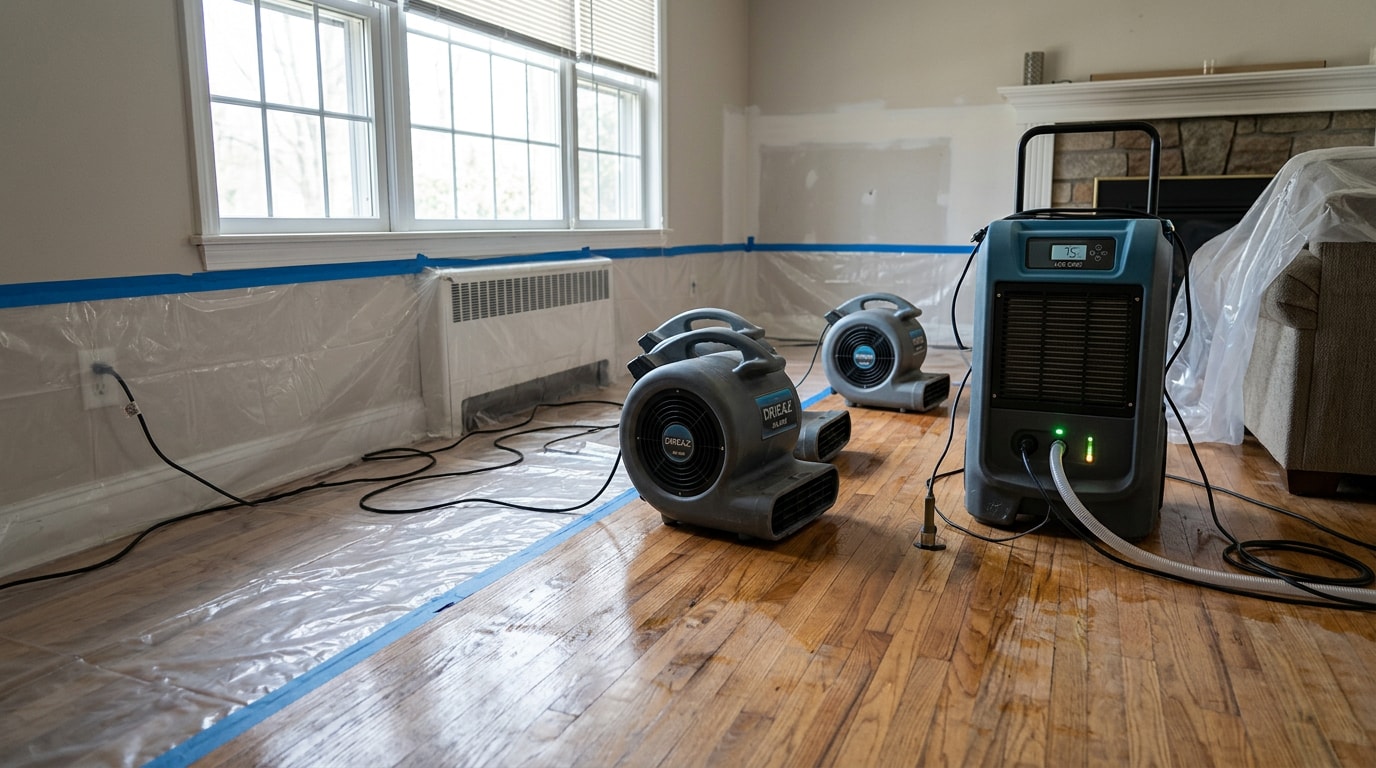
- Structural drying. Industrial air movers and dehumidifiers pull remaining moisture from walls, subfloors, and framing. Most homes need three to five days of monitored drying before moisture levels return to normal. See our structural drying process for detail.
- Mold removal. Any mold that developed during the water event gets physically removed from affected surfaces before drying is considered complete.
- Surface treatment. Antimicrobial treatment on walls, framing, and flooring eliminates remaining spores and bacteria before reconstruction starts.
- Restoration work. Drywall, flooring, trim, and paint get replaced as needed to bring the property back to pre-damage condition.
Many restoration companies, including ours, follow extraction and drying benchmarks from the ANSI/IICRC S500 Standard for Professional Water Damage Restoration, the industry's consensus reference for how to safely dry a water-damaged building. If your job needs a cost breakdown before work starts, our Clemson water damage repair estimate guide covers typical pricing ranges in more detail.
Mold Remediation and Asbestos Abatement for Older Clemson Homes
Mold remediation is the process of removing mold colonies and correcting the moisture source that let them grow, which is a different job than general water damage repair. The two are connected, though: leftover moisture after a leak almost always leads to regrowth.
Timing matters here. EPA guidance on mold prevention recommends that building managers and homeowners clean and dry wet or damp spots within 48 hours to keep moisture problems from turning into mold problems, per the EPA's Mold Remediation in Schools and Commercial Buildings guide. That 48-hour window is why fast extraction and drying are treated as non-negotiable steps, not optional upgrades.
Our mold abatement crews treat mold and water damage as connected problems for exactly this reason. Before any demolition on a pre-1980 Clemson property, we also check for asbestos, since disturbing asbestos-containing material without proper containment creates a health hazard that's far more expensive to fix than the original leak.
Crawl Space Encapsulation: Signs, Process, and Cost
Clemson's humid climate pushes moisture into crawl spaces year-round. A sealed, dry crawl space keeps humidity, pests, and mold out of the living space above it, and it's one of the most common add-on services tied to abatement and restoration work in this area.
Signs you may need encapsulation:
- A persistent musty smell in the home above the crawl space
- Visible condensation on pipes or ductwork
- Sagging floors overhead
- Increased pest activity underneath the home
What the job typically involves:
- Inspection and moisture reading
- Cleanup of debris or existing mold
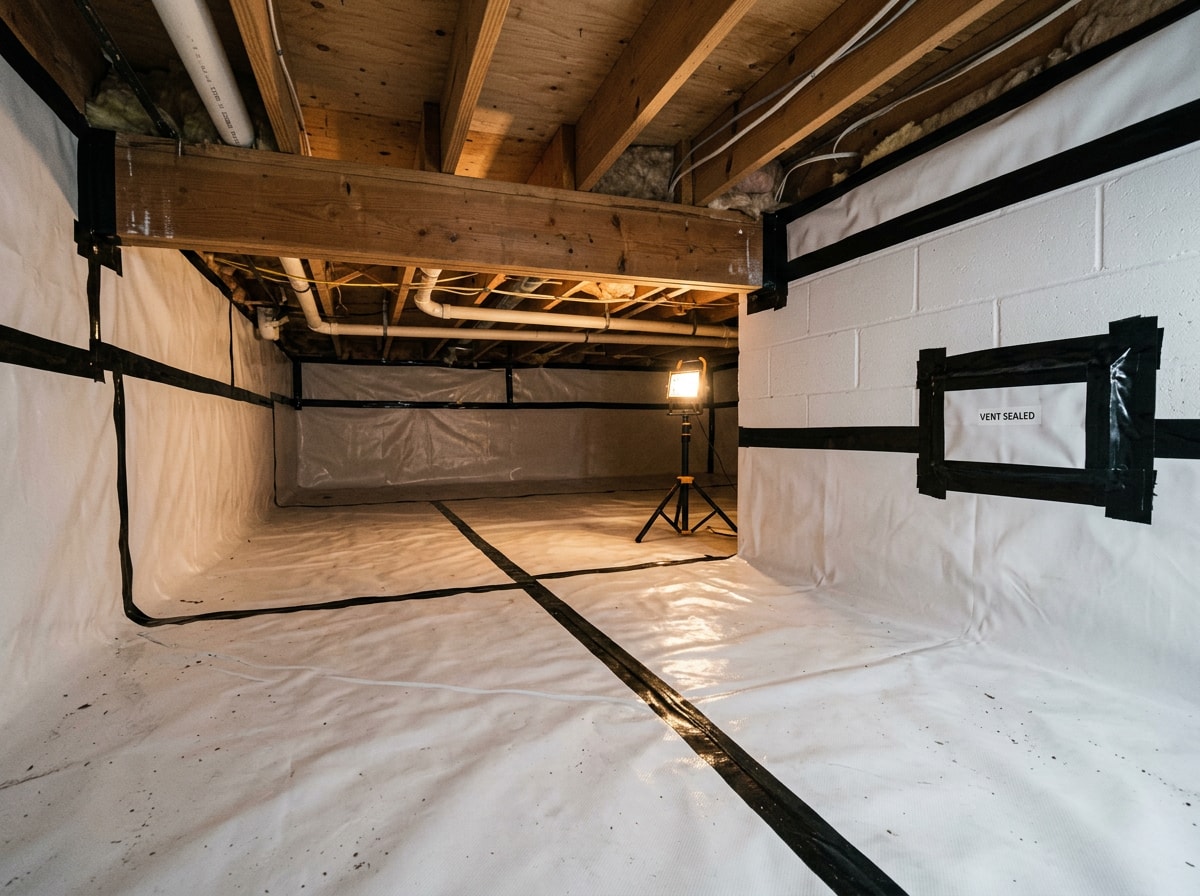
- Vapor barrier installation across the floor and walls
- Vent sealing and crawlspace drainage installation where standing water is an issue
- Final walkthrough to confirm a tight seal
Cost depends on a handful of factors:
| Cost Factor | How It Affects Price |
|---|---|
| Square footage | Larger crawl spaces need more liner material and labor hours |
| Existing moisture or mold | Cleanup and antimicrobial treatment add time before the barrier goes in |
| Material thickness | Heavier-mil liners cost more upfront but hold up longer in wet soil |
| Access | Tight entry points or extra dig-out work increase labor time |
See our full crawlspace encapsulation and crawlspace waterproofing service pages for more detail, or get a free estimate for your specific crawl space.
Related Services Clemson Properties Often Need
Water damage and abatement work rarely stay isolated to one task. These are the services our Clemson clients ask about most once the initial hazard is handled:
- Kitchen and bathroom remodeling. Once drying and abatement are complete, kitchen remodeling or bathroom remodeling often follows to replace ruined cabinetry, flooring, or drywall.
- Custom cabinets and countertops. Water-damaged cabinet boxes and swollen countertop substrates usually need full replacement rather than repair; see custom cabinet installation and countertop installation.
- Bathroom fixture replacement. Fixtures exposed to contaminated water or extended moisture typically need replacement for both safety and code reasons; see bathroom fixture installation.
- Sewer backup and contaminated water cleanup. This requires full extraction, sanitizing, and disposal of unsalvageable materials to protect indoor air quality.
- Storm and burst-pipe response. Fast extraction after flooding or a burst pipe limits how much secondary damage sets in before drying begins.
- Packout and contents restoration. Furniture and belongings get removed, cleaned, and stored safely during repairs.
- Insurance claims assistance. Detailed documentation, photos, moisture logs, and repair estimates, helps support a water damage claim with local adjusters.
Serving Clemson and the Upstate
Clemson property owners, whether managing a single home near downtown or a portfolio of student rentals close to campus, benefit from working with contractors who know the area's building stock and climate. Our Clemson, SC team also serves nearby Anderson, Easley, and Greenville. For a look at how we handle environmental remediation in a neighboring market, our Easley environmental remediation guide covers similar abatement scenarios.
Whatever combination of services your property needs, start with an inspection. Visit our homepage to see our full range of services, or get a free estimate and we'll walk the property with you before any work begins.
FAQ
What's the difference between abatement and restoration?
Abatement removes a hazard, such as mold, asbestos, or contaminated water, from a property. Restoration repairs and rebuilds the property after the hazard is gone. Most Clemson jobs involving older homes need both, in that order.
What should I do if I discover water damage in my home?
Shut off the water source if possible, move valuables and furniture away from the affected area, and call a restoration professional right away. Acting within the first few hours limits structural damage and mold risk.
How soon does mold start growing after a water leak?
Moisture problems can turn into mold problems quickly, which is why EPA guidance recommends drying wet or damp spots within 48 hours. That short window is why fast water extraction and drying matter so much after any leak.
Can water-damaged drywall be saved?
Sometimes. Drywall exposed to clean water for a short time can often be dried and saved. The repair-or-replace decision usually comes down to contamination level, how long it stayed wet, and whether mold has already set in.
Do Clemson homes need asbestos testing before a remodel?
If the home was built before 1980, treat it as a strong possibility. Federal workplace-safety guidance presumes certain insulation and flooring materials in buildings from that era contain asbestos until testing proves otherwise. Many downtown Clemson rentals and older lakefront homes fall into this category.
What factors influence the cost of water damage restoration?
Cost depends on the extent of damage, which materials were affected, how long drying takes, and whether mold remediation or asbestos abatement is also needed.
Does insurance cover crawl space encapsulation or mold remediation?
It depends on the policy and the cause of the moisture. Sudden, accidental water damage is more likely to be covered than long-term humidity or neglected maintenance. Detailed moisture logs and photos from your contractor help support the claim either way.
Can you help with flood damage restoration in Clemson, SC?
Yes. Flood damage restoration follows the same extraction and drying steps as a routine leak, but flood water often carries contaminants that require additional sanitizing and, in some cases, abatement before repairs begin.