Site remediation in Anderson, SC means getting a property's mold, water, fire, or storm damage professionally assessed, contained, and rebuilt before it turns into a bigger structural problem. Anderson's humid Upstate climate and heavy spring storms make the speed of that response the difference between a weekend repair and a gutted room. This guide breaks down what the process actually involves, what drives the cost up or down, and how insurance typically responds.
What "Site Remediation" Covers in Anderson, SC
"Site remediation" isn't a phrase most Anderson crews put on their trucks, but it's the umbrella term for everything a damaged property needs after a loss: mold removal, water extraction, fire and smoke cleanup, storm recovery, and the rebuild that follows. Johnstone Restoration handles each of these for homes and businesses throughout Anderson, SC and the surrounding Upstate.
Regardless of the cause, most projects move through the same three phases:
- Assessment — inspection, moisture mapping, and a scope of work
- Mitigation — extraction, containment, drying, or demolition of damaged materials
- Restoration — rebuilding the space back to pre-loss condition
The two problems Anderson homeowners call about most are mold and fire, so those get dedicated sections below. Explore our water damage restoration services to see how extraction and drying fit into a larger remediation plan.
Certified Mold Removal & Remediation
Certified mold remediation means technicians have completed recognized training and carry the credentials South Carolina expects for mold assessment and removal work. When vetting a contractor, ask about certifications directly; a reputable company shares them without hesitation. Certification doesn't guarantee a flawless job, but it confirms the crew understands containment and drying standards instead of guessing.
Fire and Smoke Damage Repair
Fire damage repair involves more than scrubbing soot off walls. Smoke penetrates drywall, insulation, and HVAC systems in ways that are often invisible to an untrained eye, and cleaning it without the right equipment can spread acidic soot residue further into a structure. The full fire and smoke process gets its own section later in this guide.
What Is the Mold Remediation Process?
Mold remediation follows the sequence outlined in the ANSI/IICRC S520 standard, which describes the procedures and precautions for mold remediation in residential, commercial, and institutional buildings . In Anderson's humid climate, drying and containment steps often take longer than the textbook timeline, since moisture lingers in drywall and insulation well after the original leak is fixed.
24/7 Emergency Response
Mold spreads fast once materials stay wet. The EPA's own remediation guidance treats 48 hours as the drying threshold before mold growth becomes likely, and recommends consulting standard protocols when materials have been wet for less than 48 hours and mold growth is not yet apparent . That's why reputable Anderson restoration companies answer calls around the clock rather than waiting until Monday morning.
Inspection and Mold Damage Assessment
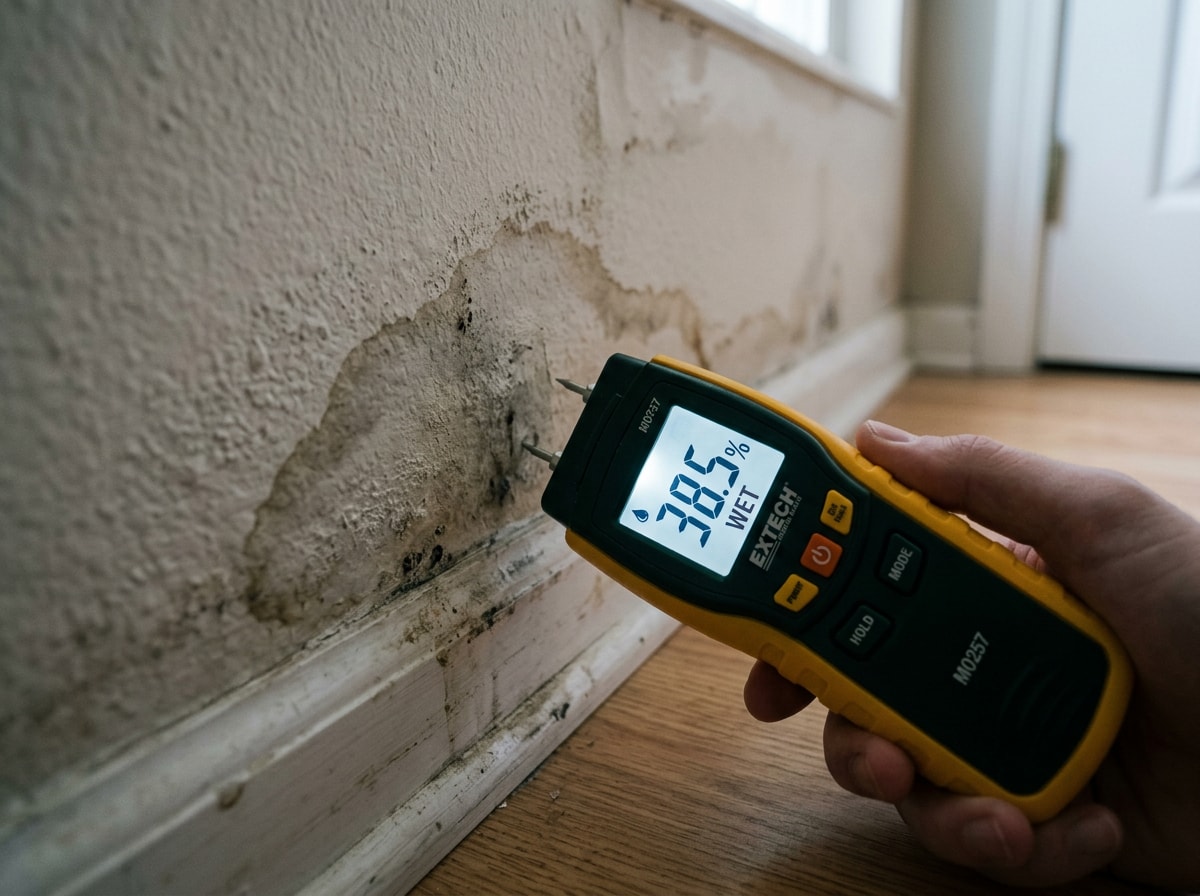
A proper inspection starts with a visual walkthrough, then moisture meter readings on walls, subfloors, and crawlspace framing. In our crawlspace calls around Anderson's clay-heavy soil, it's common to find framing still reading well above a safe moisture level two or three weeks after the surface looks dry — which is exactly why meter readings matter more than appearances. This assessment determines how far contamination has spread and whether the source is a one-time leak or ongoing humidity.
Mold Containment
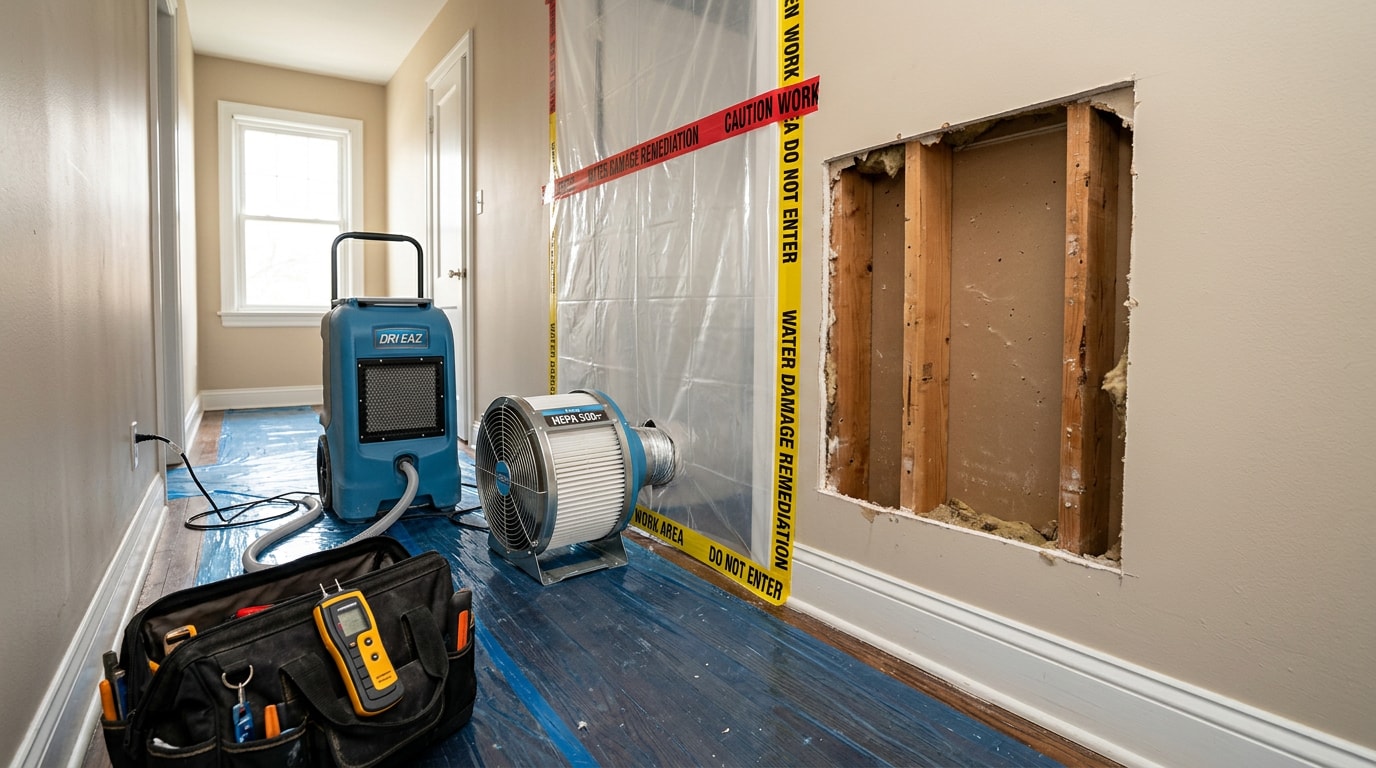
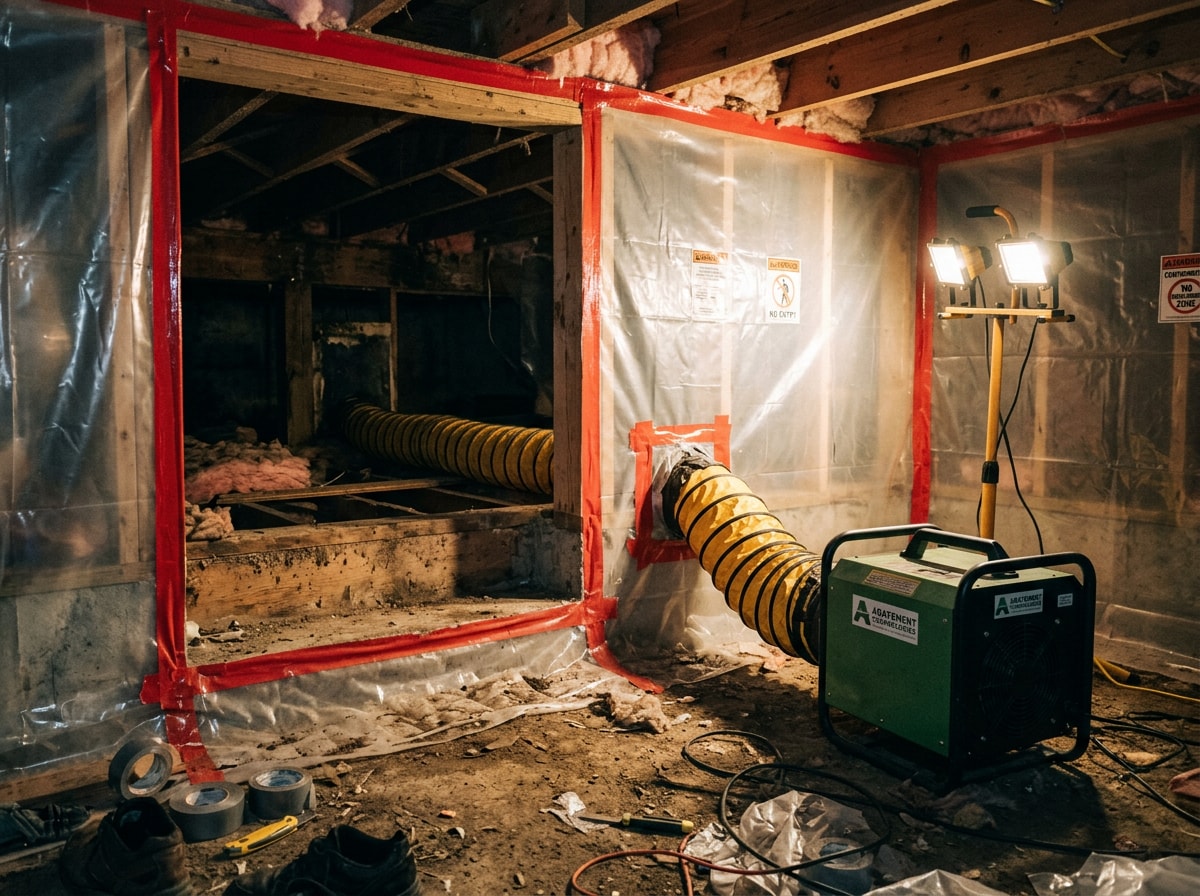
Before removal begins, crews seal off the area with physical barriers and negative air pressure machines. This keeps spores from traveling through ductwork or hallways into unaffected rooms. In larger Anderson homes with open floor plans, containment sometimes needs extra barriers simply because air moves more freely between spaces.
Air Filtration
HEPA air filtration removes airborne spores that stay suspended long after visible growth is scrubbed away. A true HEPA filter, as officially defined by the U.S. Department of Energy, can theoretically remove at least 99.97% of dust, pollen, mold, bacteria, and other airborne particles with a size of 0.3 microns . Clean air test readings often determine when containment can safely come down.
Removing Mold and Mold-Infested Materials
Porous materials like drywall, carpet, and insulation typically can't be fully cleaned once mold takes hold, so removal usually means cutting out and discarding them. Hard surfaces such as tile, concrete, and some framing lumber can often be cleaned and treated instead of replaced. What stays and what goes depends on how deeply spores have penetrated, not just how the surface looks.
Cleaning
Once damaged materials are removed, remaining surfaces and salvageable contents get a thorough antimicrobial cleaning. HEPA vacuuming typically follows to catch settled dust and debris before the space moves into the final phase.
Restoration
This is the rebuild phase: new drywall, flooring, paint, and trim return the space to pre-loss condition. A mold job that started in a bathroom or kitchen sometimes turns into a full remodel opportunity; our kitchen and bathroom remodeling team can handle that transition without bringing in a second contractor.
Mold Inspections & Sampling
A mold inspection is a visual and moisture-based assessment, while sampling involves lab testing of air or surface samples to identify mold species and spore counts. Sampling isn't always necessary; visible growth with a known source often doesn't require lab confirmation before remediation begins.
Sampling becomes more useful when mold is suspected but not visible, when a buyer needs documentation before a home sale, or when a resident has health concerns tied to indoor air quality. Mold can produce allergens and irritants, trigger allergic reactions in sensitive individuals, and set off asthma episodes in people who already have asthma . Skipping sampling on an obvious, contained leak can save money without compromising safety.
Professional Water Damage Cleanup Services in Anderson
Water intrusion is one of the most common triggers for mold growth, which is why water damage restoration and mold remediation are closely linked. See our water damage restoration services for emergency extraction and drying support.
Broken Pipes
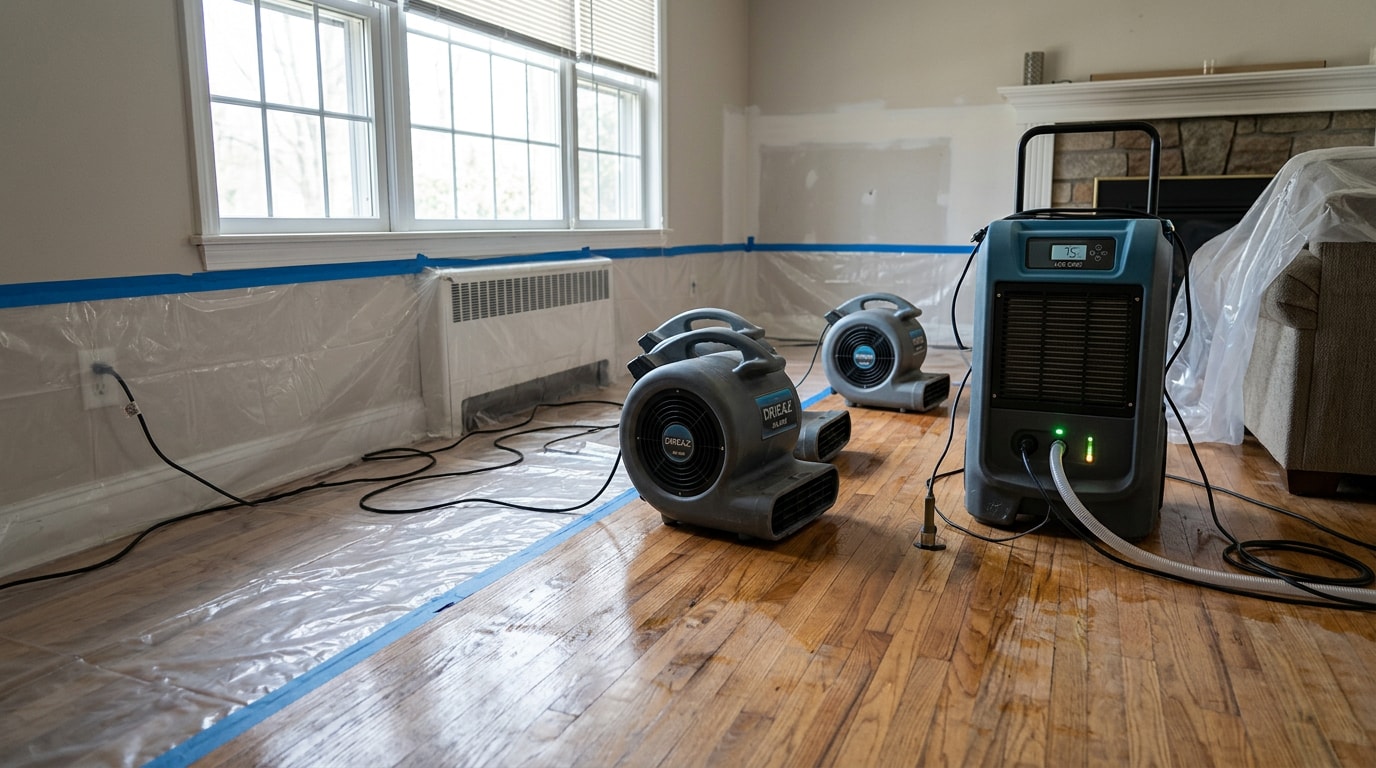
A burst or slowly leaking pipe can soak flooring and wall cavities before anyone notices. Fast water extraction and targeted structural drying prevent that hidden moisture from becoming a mold problem days later.
Flood Damage
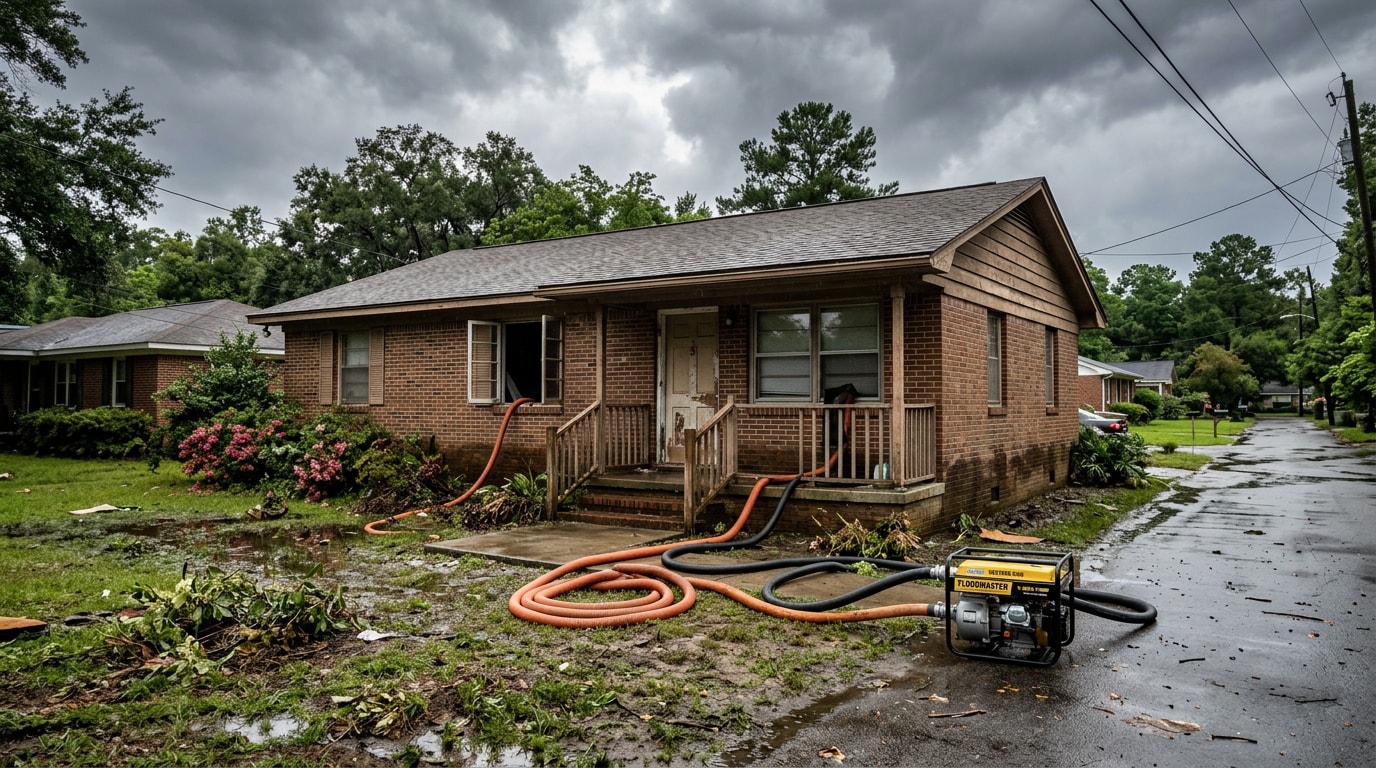
Flood damage cleanup depends heavily on water category; clean rainwater is handled differently than contaminated floodwater carrying soil or runoff. Anderson's seasonal storms can push water into crawlspaces and basements, requiring both water restoration and structural drying.
Sewage Backups
Sewage backup cleanup is treated as a biohazard situation rather than routine water damage, since contaminated water carries bacteria and pathogens. Affected materials often need disposal rather than drying, and crews wear protective equipment throughout the job.
Roof Leaks
Roof leak water damage often goes unnoticed until stains appear on a ceiling, by which point insulation and attic framing may already be wet. Left unaddressed, a slow roof leak is one of the most common paths to attic mold.
Fire and Smoke Damage Restoration
Soot and smoke residue require specialized remediation similar in principle to mold; both involve contamination that spreads beyond what's visible.
Smoke and Soot Restoration
Soot is acidic and can etch metal, discolor grout, and corrode surfaces the longer it sits. Crews that arrive within hours of a fire being extinguished have a real advantage, since delayed cleanup lets residue bond permanently to finishes, fabrics, and HVAC components throughout the structure.
Smoke Odor Removal
Smoke odor removal targets particles that embed deep in drywall, carpet padding, and upholstery, far past what surface cleaning reaches. Technicians often use thermal fogging or ozone treatment to neutralize odor at the molecular level rather than masking it, which is why air fresheners rarely solve a true smoke odor problem. For a timeline comparison, our guide on fire restoration timelines in Travelers Rest breaks down how long each stage typically runs.
Storm and Flood Damage Cleanup
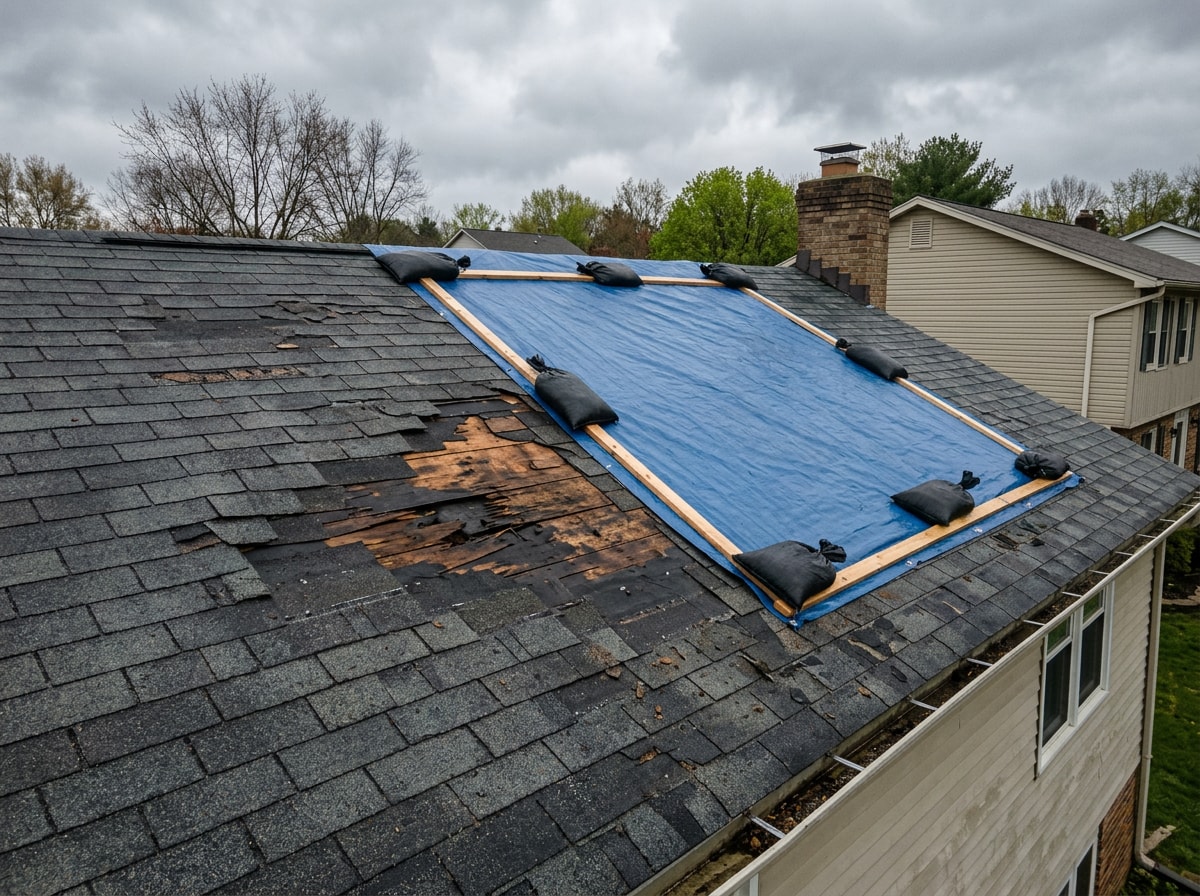
Storm damage cleanup covers different ground than routine indoor water loss: tarping compromised roofs, extracting standing water, and drying structural framing after wind or hail exposes a building to the elements. Upstate South Carolina sees its share of severe spring and summer storms, and a delayed response often means days of standing water before repairs even begin. Crews typically stabilize the structure first, covering openings and clearing debris, before starting the drying and rebuild work that follows.
Contents Packout & Storage
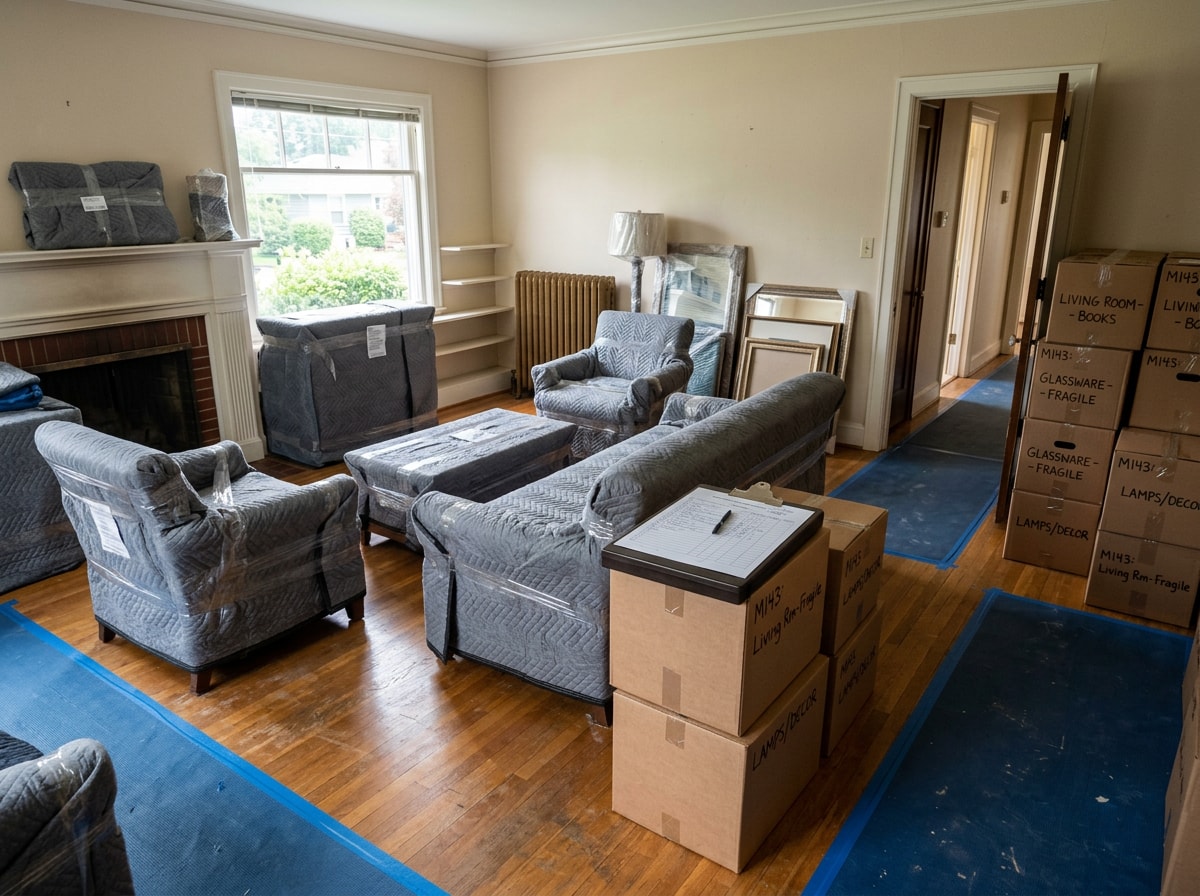
When a room floods or fire damage spreads through a home, belongings often need to leave the space entirely during a remediation project. Contents packout involves inventorying, cleaning, and moving furniture, electronics, and personal items to climate-controlled storage while the work happens. This protects unaffected belongings from secondary mold growth or lingering smoke odor and gives contractors a clear space to work in. Content storage typically includes a detailed inventory list, so homeowners know exactly what was moved and its condition.
Commercial and Residential Services
Residential and commercial remediation share the same core process, but the priorities differ. Homeowners worry about family health and property value; businesses worry about downtime and compliance.
Residential Mold Removal
Residential mold jobs most often start in crawlspaces, bathrooms, and basements, the dampest spots in a typical Upstate home. Beyond property value, persistent musty odors or visible spotting are reasons to schedule an inspection rather than wait. Our mold abatement services cover everything from a single bathroom to a full crawlspace.
Commercial Mold Remediation
Commercial jobs add scheduling pressure that residential work doesn't have; tenants, employees, and customers all need the space to reopen quickly. Crews often work after hours or in phases to keep part of a building operational during remediation. Compliance documentation also matters more here, since landlords and employers may need records showing the issue was properly resolved. For a deeper look at what business owners should expect, see our guide on commercial mold restoration in Anderson, SC.
Biohazard Cleanup
Biohazard cleanup covers situations like sewage contamination or trauma scenes involving bodily fluids, bacteria, or other hazardous materials. These jobs follow stricter disposal and protective-equipment protocols than standard mold or water work, since the health risks to untrained individuals are significantly higher.
Reconstruction Services
Reconstruction brings remediation and rebuilding under one roof, literally. A single company handling everything from demolition to final paint cuts down on scheduling gaps between separate contractors during an already stressful repair. One detail worth flagging: many Anderson homes built before the 1980s contain asbestos in flooring, popcorn ceilings, or old pipe insulation, so a pre-demolition check matters before any large-scale tear-out. Our asbestos abatement team handles testing and removal before reconstruction starts, and our kitchen remodeling and bathroom remodeling crews finish the rebuild once materials come back dry and clean.
What Drives Site Remediation Costs in Anderson
Pricing swings widely based on square footage, how many materials need replacing, and how complex containment has to be. Here's roughly where projects tend to land:
| Project Type | Typical Scope | What Pushes the Price Higher |
|---|---|---|
| Contained mold (closet or bathroom) | Containment, limited drywall removal, antimicrobial treatment | Mold hidden behind tile, cabinetry, or subfloor |
| Whole-room or crawlspace mold | Larger material removal, multi-day HEPA filtration | Limited crawlspace access, extensive insulation replacement |
| Burst pipe or appliance leak | Extraction, structural drying, spot drywall repair | Water trapped under hardwood or engineered flooring |
| Storm or flood damage | Tarping, extraction, drying, material replacement | Standing water for multiple days, contaminated floodwater |
| Fire and smoke | Soot cleaning, odor treatment, HVAC cleaning, rebuild | Structural fire damage vs. smoke-only exposure |
An on-site inspection is still the only reliable way to get an accurate number, since square footage alone doesn't capture material damage. If you're already seeing staining, a musty smell, or standing water, get a free estimate before the problem spreads further.
Preventing Mold From Reoccurring
Anderson's humid climate makes ongoing prevention just as important as the initial cleanup. Keeping indoor humidity below roughly 50% with a dehumidifier or a properly sized HVAC system goes a long way toward preventing mold from returning. Good attic and crawlspace ventilation keeps moist air from stagnating in spaces that are easy to forget about.
Addressing leaks, even small, slow ones, within a day or two matters more than people expect. A few habits worth adopting:
- Check crawlspace vapor barriers twice a year
- Clean gutters so water drains away from the foundation
- Run bathroom exhaust fans during and after every shower
- Keep crawlspace humidity in check with crawlspace encapsulation or a vapor barrier installation
For a closer look at how professionals dry out a flooded structure before mold can take hold, read Flood Drying in Greenville, SC: What to Do and How Professionals Dry Your Property.
Frequently Asked Questions
What does "site remediation" mean for a home or business?
It's the umbrella term for cleaning up and rebuilding a property after mold, water, fire, or storm damage. It typically includes assessment, extraction or removal, drying or containment, and reconstruction.
How much does mold remediation usually cost?
Cost varies widely based on square footage, how many materials need replacing, and how complex containment has to be. A small bathroom job might run a few hundred dollars, while a whole-basement remediation with material removal and rebuild can reach several thousand. An on-site inspection is the only reliable way to get an accurate number.
What is the Carolina Protocol for mold remediation?
The Carolina Protocol refers to a regionally adapted remediation approach some South Carolina restoration professionals use that accounts for the state's high humidity and moisture-retentive building materials, like the older crawlspace construction common in the Upstate. It generally emphasizes more aggressive moisture control and longer drying verification than standard national guidelines call for. Not every contractor uses this exact term, so ask a prospective contractor directly how their process addresses South Carolina's humidity.
Can mold come back after remediation?
Almost always, mold coming back traces to an unresolved moisture source, not a failed cleanup. If a leak, humidity problem, or ventilation issue isn't fixed, new spores will eventually find the same damp conditions. Fixing the water source matters just as much as the cleanup itself.
How long does mold remediation take?
A contained, single-room job might wrap up in two to three days. A larger infestation involving multiple rooms, material removal, and rebuild work can take one to two weeks or longer from inspection through final restoration.
Is mold damage covered by my insurance?
It depends on the cause. Most homeowner and renters policies cover sudden and accidental water damage, such as a burst pipe, toilet overflow, or broken washer hose , and mold that results from that kind of event is usually covered too. On the other hand, most home policies don't cover water damage from gradual leaks or seepage, including resulting mold, and mold from a flood isn't covered because home policies don't cover floods at all . Reviewing your specific policy language and documenting when a leak occurred makes a real difference in how a claim is handled.
How fast should I call someone after storm, fire, or water damage in Anderson?
Within the first 24 to 48 hours if possible. That's the window most guidance points to before wet materials become a mold risk, and it's also when tarping or board-up work does the most to limit further storm or fire damage.
If your property needs help now, contact Johnstone Restoration for a free estimate and 24/7 emergency response across Anderson, SC.
---
About the author: This guide was written and reviewed by Marcus Johnstone, an IICRC-Certified Applied Microbial Remediation Technician (AMRT) and Water Damage Restoration Technician (WRT) with Johnstone Restoration, serving Anderson, Greenville, and the surrounding Upstate since the company's founding. Questions about a specific property? Reach out through our contact page.