
Water mitigation vs remediation in Simpsonville, SC comes down to one question: is this crew stopping the damage, or fixing it? Mitigation is the emergency response that happens in the first hours after a pipe bursts or a storm floods your crawlspace. Remediation is the repair work that follows once the structure is dry, and confusing the two is how homeowners end up with mold behind new drywall.
This guide breaks down what each phase actually involves, why Upstate South Carolina's humid summers shrink the safe drying window, and how one crew can carry a loss from first call to final walkthrough.
What Is Water Mitigation?
Water mitigation is the set of emergency actions taken immediately after a water event to stop water damage from spreading before it causes mold, rot, or structural harm. It focuses on emergency water removal and moisture control, not repairs. Think triage, not surgery.
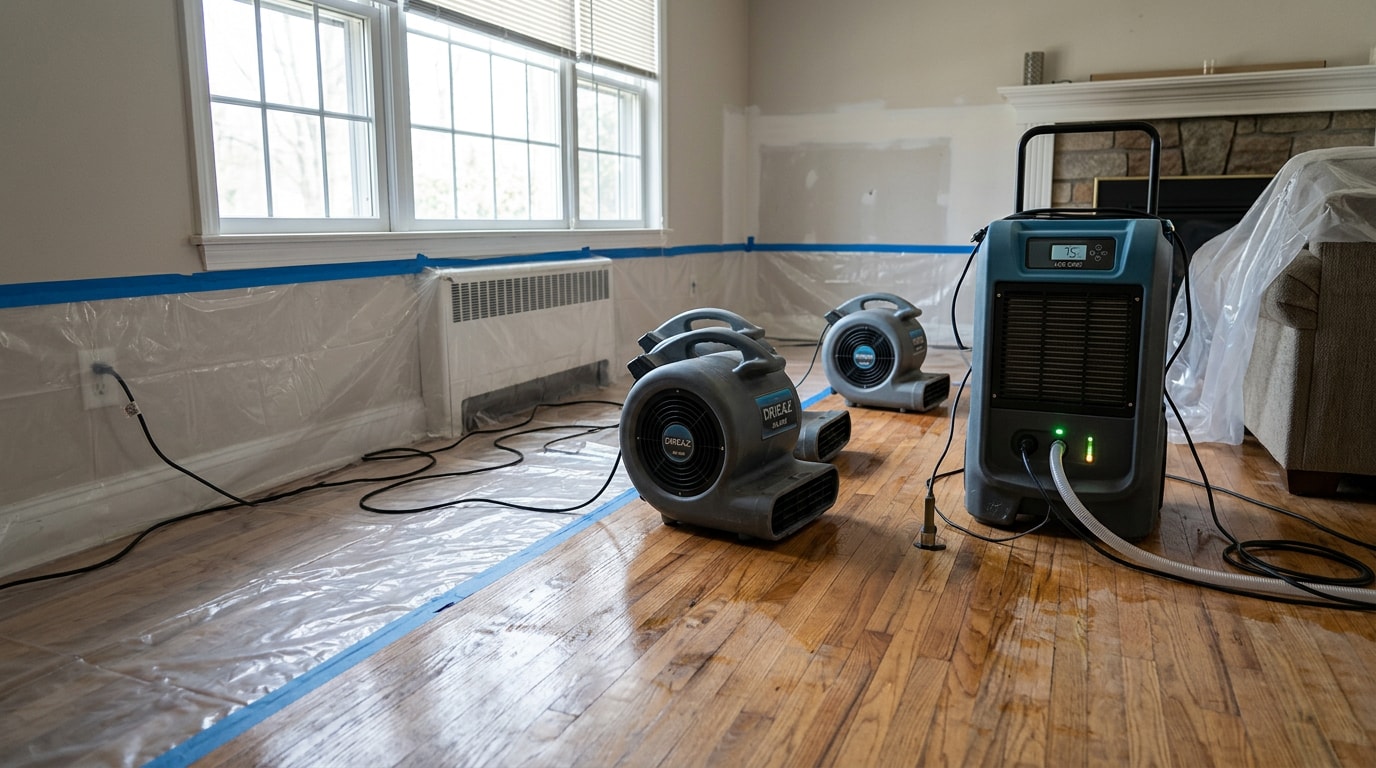
Technicians extract standing water, shut off the source, and tarp or board any openings letting more water in. From there, they use moisture meters and dehumidifiers to pull humidity out of walls, floors, and air before damage sets in.
Speed matters here. It is important to dry water-damaged areas and items within 24-48 hours to prevent mold growth , according to EPA guidance on mold and moisture control. That's why mitigation crews aim to arrive within hours, not days.
What Is Water Remediation?
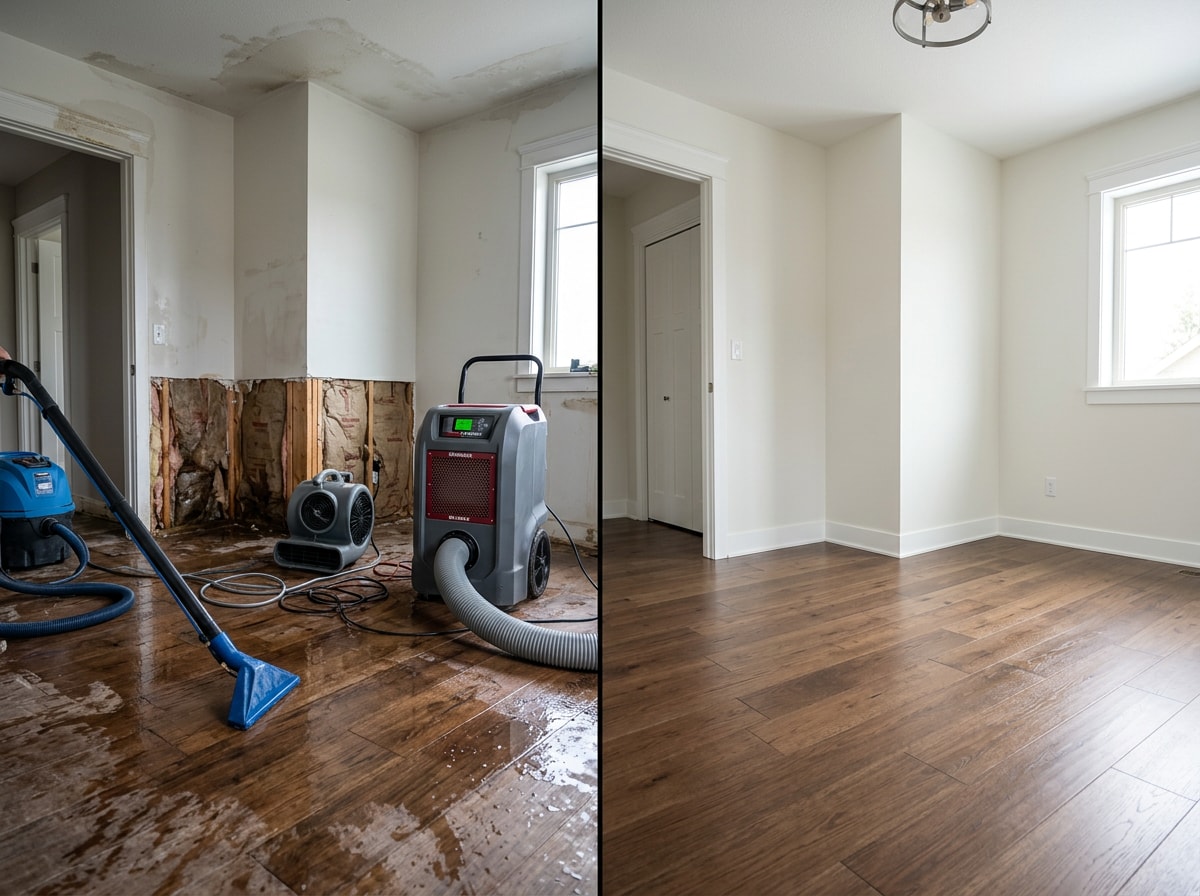
Once mitigation has stopped the damage and dried the structure, water remediation takes over. This is the restoration process that cleans, sanitizes, and rebuilds what the water damaged, including drywall, flooring, baseboards, and insulation, until your home functions the way it did before the loss.
Remediation also tackles risks mitigation can't fully solve on its own:
- Mold prevention and treatment
- Bacterial or contamination cleanup
- Structural repair to weakened framing or subfloors
- Odor and air-quality correction
It's a longer process than mitigation, often stretching from days into weeks depending on the extent of the damage. For a closer look at what's involved, visit our Water Damage Restoration page.
Water Mitigation vs. Remediation: Key Differences
Both phases generally follow the drying, documentation, and classification protocols outlined in the IICRC S500 Standard for Professional Water Damage Restoration, though exact steps shift based on how much water intruded and how long it sat before crews arrived.
| Factor | Water Mitigation | Water Remediation |
|---|---|---|
| Goal | Stop and prevent further damage | Repair and restore pre-loss condition |
| Timing | First 24 to 48 hours after the loss | Begins once the structure reads dry |
| Typical tasks | Extraction, tarping, dehumidification, moisture mapping | Drywall and flooring replacement, mold treatment, repainting |
| Duration | Usually 2 to 4 days | Days to several weeks, depending on scope |
| Equipment | Air movers, dehumidifiers, hygrometers | Building materials, antimicrobial treatments, finish work |
Mitigation: Limit Damage Now and Stabilize the Structure
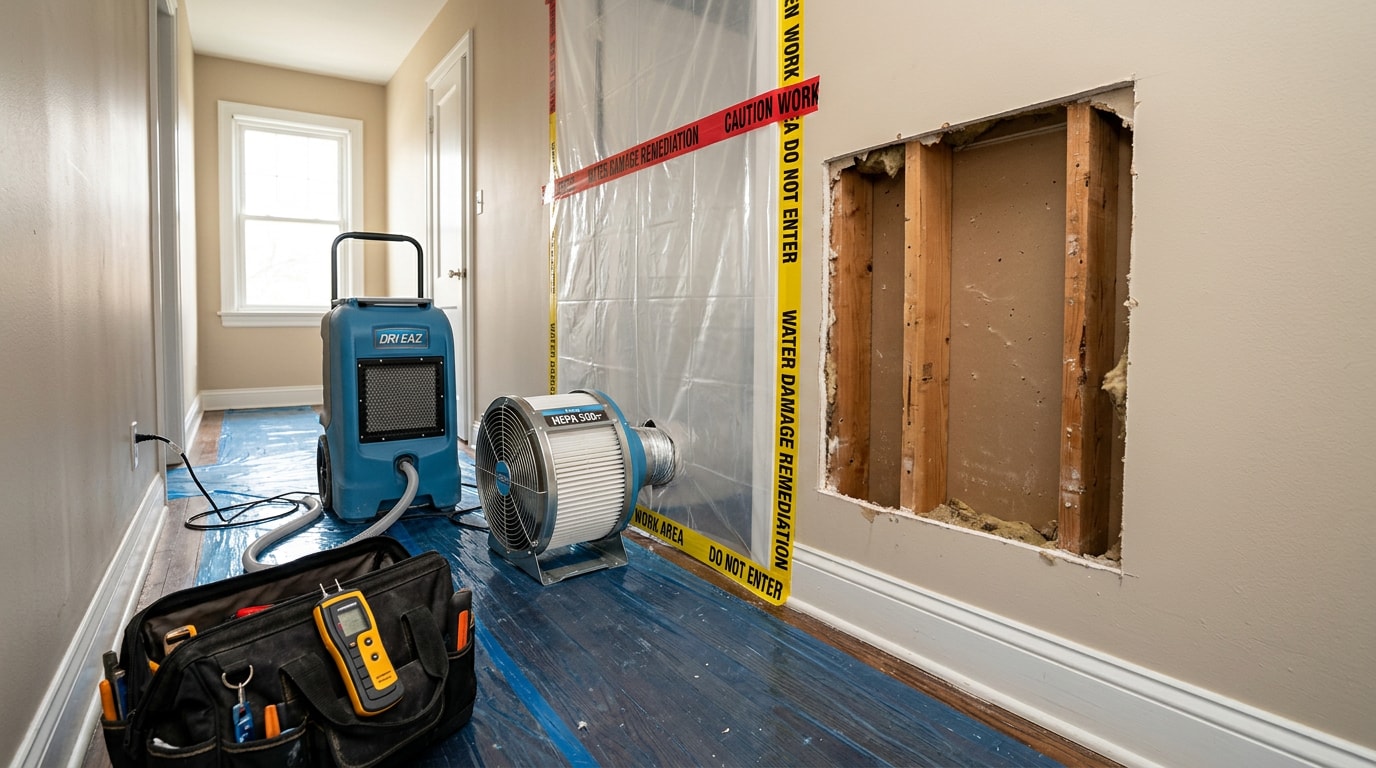
Mitigation crews move fast to stabilize the structure before damage compounds. That means shutting down the leak source, pumping out pooled water, and setting up containment to protect dry areas. Hygrometers and thermal imaging cameras map moisture hidden inside walls and under flooring, so nothing gets missed once drying begins.
Industrial dehumidifiers and air movers then pull remaining moisture from the air and building materials. Our Structural Drying and Water Extraction crews treat this stage as the make-or-break window: materials dried quickly almost always avoid the mold problem that follows a slow response.
Restoration: Repair, Rebuild, Return to Pre-Loss
Once the structure reads dry on a moisture meter, remediation work can begin. Crews replace ruined drywall, baseboards, and flooring, repaint affected walls, and address any lingering odors or air-quality issues left behind by the water.
Starting this work too early is a common and costly mistake. Installing new drywall or flooring over materials that are still wet traps moisture behind the repair, which often leads to mold growth and failed work that has to be redone. If mold has already taken hold by the time crews arrive, that work shifts to a dedicated Mold Abatement scope rather than standard remediation.
Why Simpsonville Homes Need Both Phases
Skipping either phase creates problems down the road. Skip mitigation, and water keeps spreading into materials that didn't need to be damaged in the first place. Skip remediation, and you're left with a dry but still unhealthy home: hidden mold, weakened framing, or lingering contamination that drying alone can't fix.
Most Simpsonville homeowners need both services, ideally from one provider. A clean handoff between phases prevents the gaps that happen when two separate companies divide the job. In our experience responding to Upstate homes, the losses that turn into gutted rebuilds are almost always the ones where mitigation got delayed by a day or two while someone shopped for quotes.
Want a straight answer on scope before committing to a crew? Get a free estimate and we'll walk the property with you before any work starts.
Where Emergency Plumbing Fits In
Most water losses start with a plumbing failure: a burst pipe, a failed supply line, or a water heater that gives out overnight. Stopping that water source is a prerequisite before mitigation can do its job.
Think of it as a three-part sequence: emergency plumbing stops the water, mitigation controls the damage, and remediation restores the property. If you're dealing with an active leak right now, our Water Restoration team handles the full sequence, not just one piece of it.
Water Mitigation in Simpsonville, SC: Your First Line of Defense
Simpsonville's humid subtropical summers narrow the safe drying window compared to drier inland markets. Whether the cause is a burst pipe, flash flooding, or a roof leak during a summer thunderstorm, the longer water sits, the further it spreads into subfloors, drywall, and insulation.
Mitigation for a typical Simpsonville water intrusion covers immediate extraction, humidity control with industrial dehumidifiers, and securing the property against further exposure, such as boarding broken windows or tarping damaged roofing. These steps buy time for remediation crews to plan a full, proper rebuild. See our Simpsonville service area page for local response details, or check how we handled a similar combined fire-and-water loss in our Greer emergency response case).
Water damage rarely waits for business hours. Johnstone Restoration runs 24/7 dispatch across the Upstate specifically because the first few hours decide whether a loss stays a drying job or becomes a full rebuild.
FAQ
What is the difference between water mitigation and water remediation?
Water mitigation stops and prevents further water damage right after a loss. Water remediation cleans, repairs, and rebuilds the property afterward. Mitigation comes first; remediation follows once the structure is dry and stable.
Does mitigation have to happen before remediation?
Yes. Starting remediation or rebuild work before the structure is fully dry traps moisture behind new materials. That almost always causes mold growth and repairs that have to be redone.
Is water remediation part of water damage restoration?
Yes. Remediation is one component of the broader restoration process, not a standalone service. Restoration includes mitigation, remediation, and the final rebuild, with remediation covering the cleaning and repair stage specifically.
How long does water mitigation take in Simpsonville, SC?
Most mitigation jobs take two to four days. The size of the affected area, water category, and hidden moisture pockets can extend drying time, and larger or contaminated losses may take longer.
Who should I call first after a pipe bursts?
Shut off the water at the main or the fixture if you can reach it safely, then call a restoration crew that handles both the extraction and the plumbing referral. Waiting to "see how bad it is" is the single most common reason a drying job turns into a gutted room.
Is water mitigation covered by homeowners insurance?
Often, yes. Sudden, accidental water damage like a burst pipe is typically covered, while gradual leaks or neglect usually aren't. Wind and hail accounted for the largest share of claims, with 2.8 percent of insured homes having such a loss, followed by water damage and freezing with 1.6 percent of homes having a loss , and the average claim severity for water damage and freezing was $15,400 , according to the Insurance Information Institute. Coverage varies by policy, so confirm details with your carrier and document damage immediately. Request a free estimate to get started.