
A water damage repair estimate in Clemson, SC usually falls between $500 and $10,000 or more, depending on how much area flooded and how long the water sat before drying started. The number on your quote comes down to three things: square footage, water category, and how much material has to be torn out versus simply dried in place. Here's how Clemson pricing actually breaks down, and how to get a number you can trust before anyone touches a wall.
What Does a Water Damage Repair Estimate Cost in Clemson, SC?
Most Clemson homeowners pay somewhere between $1,300 and $6,500 for water damage repair. A single damp room costs far less than a flooded first floor, so that range covers a lot of ground.
Fair Price Breakdown: What Affects Your Estimate
A handful of variables move the number on your estimate more than anything else:
- Affected square footage – more area means more labor hours and more equipment running longer.
- Water category – clean supply-line water costs less to remediate than greywater or sewage-contaminated water.
- Materials replaced – drywall, subfloor, insulation, and flooring all have different replacement costs.
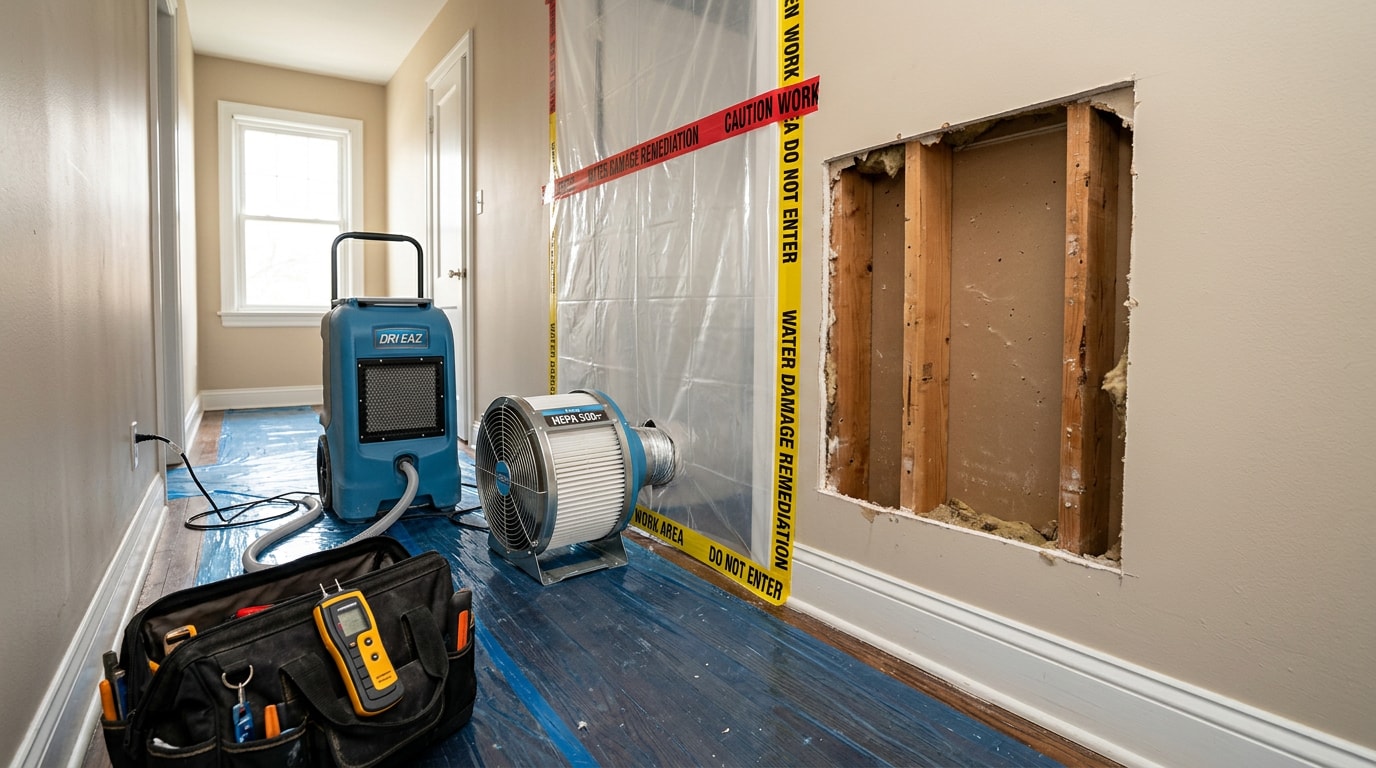
- Hidden moisture – water trapped behind walls, under cabinets, or inside a crawlspace often isn't visible during a quick walkthrough.
That last point matters more than homeowners expect. An accurate quote needs an on-site survey with a moisture meter, not a phone estimate based on a verbal description.
Typical Costs by Damage Type and Severity
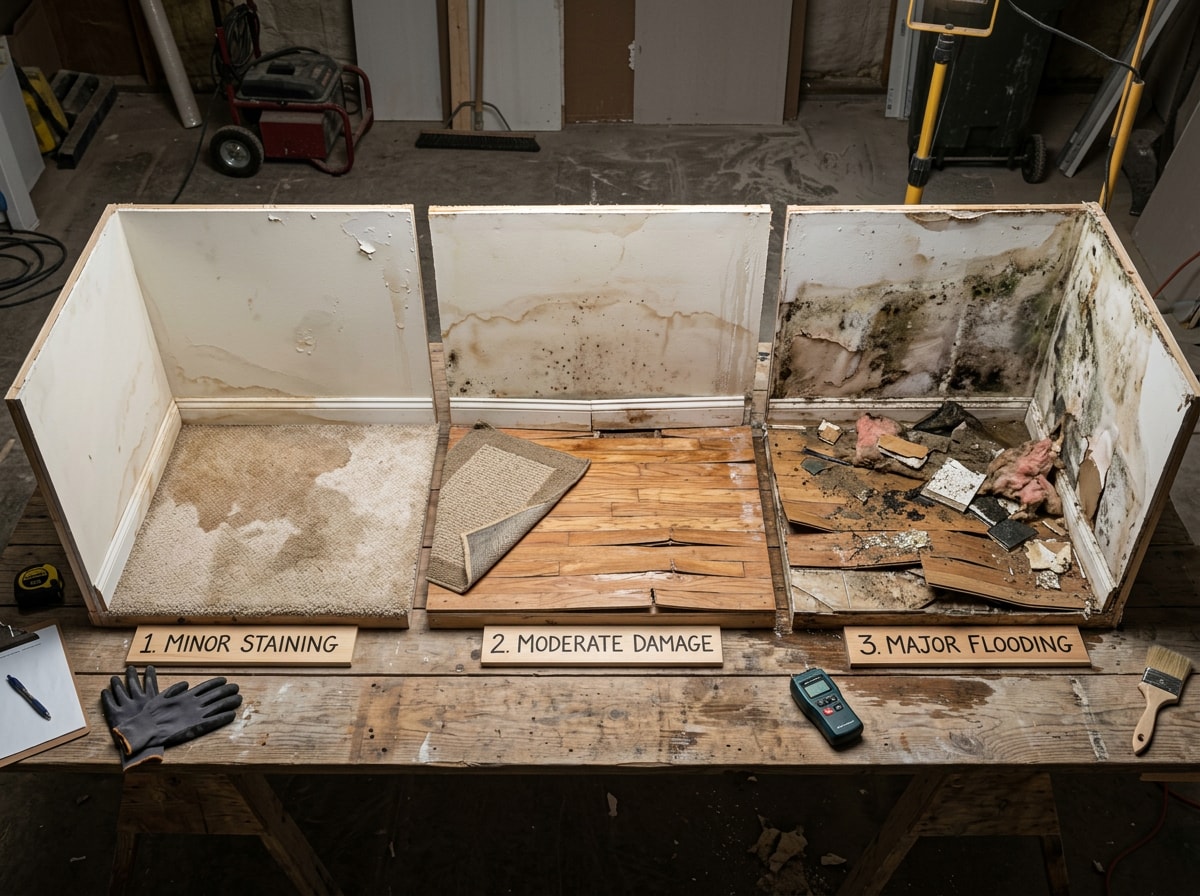
| Severity | Clemson Range | Cost per Sq. Ft. |
|---|---|---|
| Minor (single room) | $500–$1,500 | $3–$5 |
| Moderate (multi-room) | $1,500–$4,000 | $4–$7 |
| Major (flooding) | $4,000–$10,000+ | $7–$12 |
Scope drives price more than almost anything else on the job. A single wet bedroom and a flooded first floor both start with the same inspection process, but the equipment, labor hours, and materials needed to fix them aren't close.
How We Build Your Free Water Damage Repair Estimate
A professional estimate starts with an in-home or virtual walkthrough. A technician checks every affected room, takes moisture readings with a meter, and photographs the damage for your records.
That documentation matters later. If you file an insurance claim, your adjuster wants to see what the damage looked like before repairs began, not just a written description of it.
Acting quickly protects both your home and your claim. Request a free water damage inspection and we'll walk the property, document everything, and hand you a written number, no pressure to sign anything on the spot.
The Water Damage Restoration Process in Clemson, SC
Restoration follows a standard sequence, regardless of whether the damage came from a burst pipe, a failed water heater, or storm flooding:
- Emergency water extraction – pulling standing water out before it spreads further.
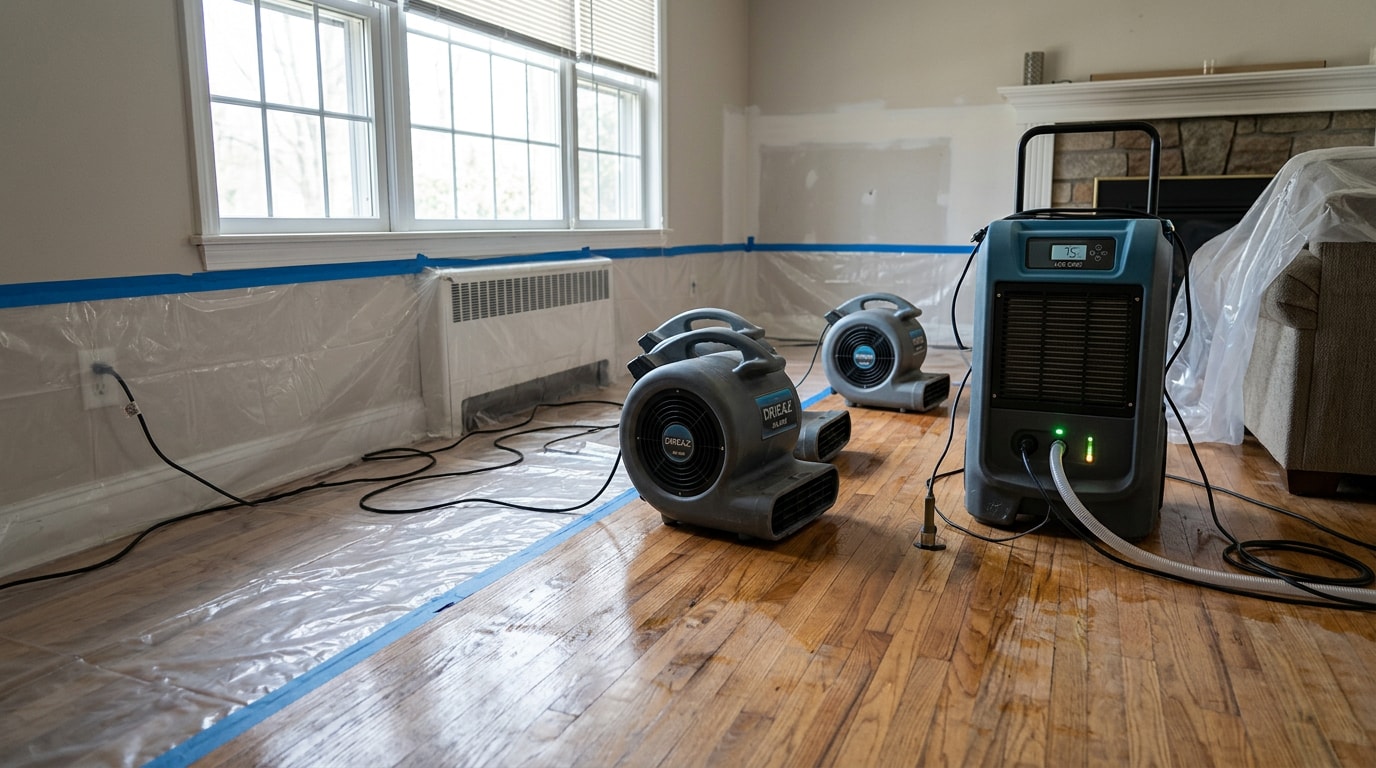
- Structural drying and dehumidification – industrial air movers and dehumidifiers bring moisture content down in walls, floors, and framing.
- Moisture monitoring – technicians log readings daily until materials hit a safe, dry baseline.
- Repair and reconstruction – drywall, flooring, cabinets, and trim go back once the structure is verified dry.
That sequence lines up with the ANSI/IICRC S500 Standard for Professional Water Damage Restoration, the industry reference insurers typically expect to see followed before they approve a claim. Our crews log moisture readings and equipment runtimes at every visit for exactly that reason, so there's a documented record if your carrier asks for one.
Our technicians see this play out the same way almost every time in Clemson: water that sits under flooring or inside a crawlspace for more than a day or two stops being a drying job and turns into a replacement job. That's the single biggest swing factor in any estimate we write.
Related: structural drying services and water extraction services cover the first two steps above if you want more detail on how they work.
Why Fast Response Changes Your Estimate and Your Claim
Mold can begin growing on wet building materials within 24 to 48 hours of water exposure, according to EPA guidance on mold and moisture control. Once that window closes, a straightforward dry-out can turn into a mold abatement project, which adds cost and time.
There's an insurance angle too. Without photos, moisture logs, and a written estimate, a DIY dry-out attempt can leave you disputing a claim later with little proof of what actually happened or how bad it was.
Coverage also depends on the cause. Most homeowners policies cover sudden events like a burst pipe or failed appliance, but flood damage from rising water usually requires a separate flood policy through the National Flood Insurance Program. Knowing which bucket your damage falls into before you file saves a lot of back-and-forth with an adjuster.
Water Damage Risk Factors in Clemson, SC
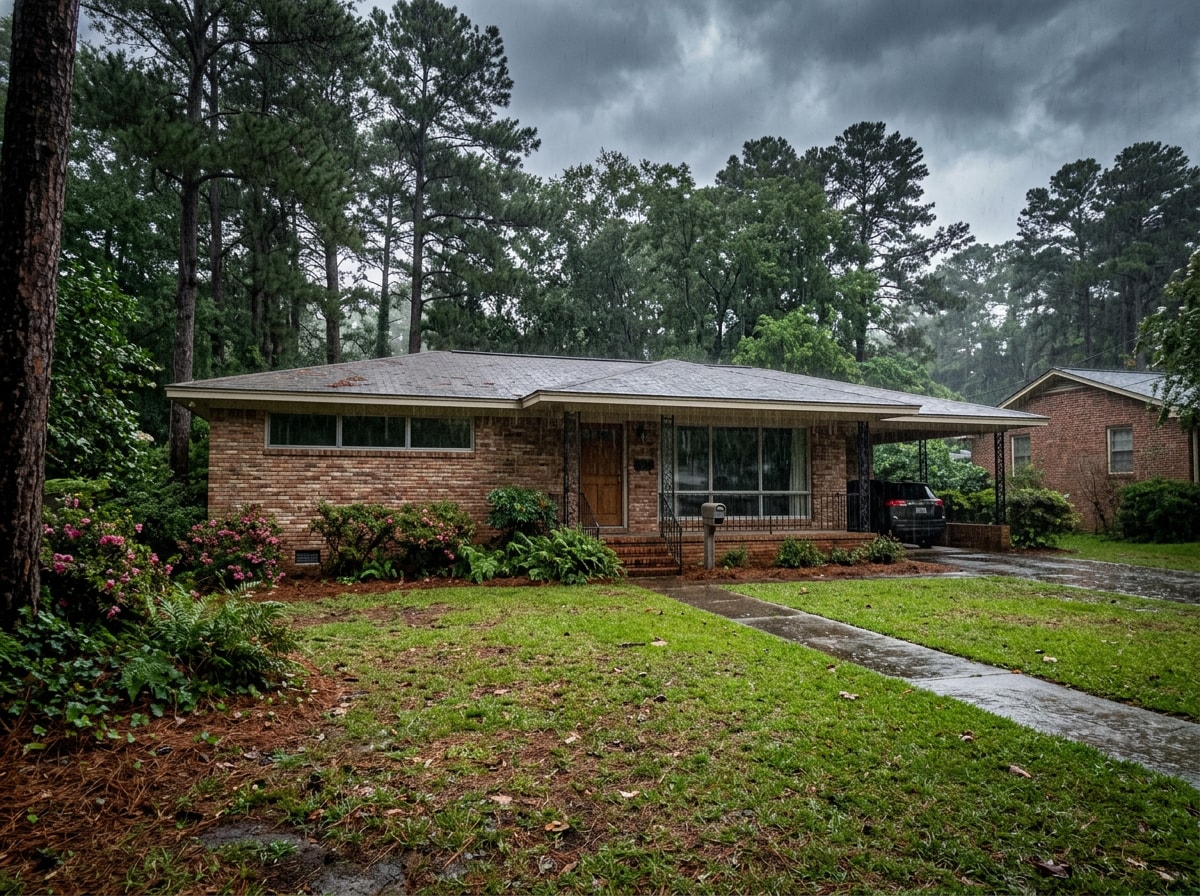
Clemson sits in South Carolina's Upstate region, where state climate data shows average annual rainfall running 45 to 50 inches across the eastern Piedmont, noticeably higher than the Midlands. That rainfall, combined with humid summers, keeps soil saturated for long stretches and puts steady pressure on foundations and crawlspaces.
Older homes throughout Pickens and Anderson County often still have original plumbing and vented crawlspace foundations, both of which raise the odds of a slow leak going unnoticed until flooring or subfloor is already damaged. If your home sits on a crawlspace, crawlspace waterproofing is usually cheaper than repeated water damage repairs over a few years.
Water Damage Repair Service Areas Near Clemson, SC
Coverage extends throughout Clemson, SC and the surrounding Upstate, including Anderson, SC and Easley, SC. If a related issue shows up after a flood, like smoke or fire damage from an electrical short, our fire and smoke damage guide for Clemson covers that process separately.
Visit our homepage for a full look at our restoration and remodeling services, or go straight to the water damage restoration page for service details.
Why Trust This Estimate
Pricing here reflects local project data and the IICRC S500 standard, not guesswork. Our technicians hold IICRC water damage restoration certifications, and our crews are licensed and insured in South Carolina. Every estimate is written, itemized, and free, with no pressure to commit on the spot.
Written by Daniel Johnston, IICRC-Certified Water Restoration Technician (WRT), Johnston Restoration. Daniel has inspected and managed water damage repairs throughout the Upstate for over a decade and leads the estimating process for Johnston Restoration's Clemson-area jobs. Questions about a specific property? Contact our team directly.
FAQ
How much does water damage repair cost in Clemson, SC?
Typical projects range from $500 for a minor single-room issue to over $10,000 for major flooding, with most Clemson homeowners paying between $1,300 and $6,500 overall. The final number depends on square footage, water category, and how much material needs replacing.
Does insurance cover water damage repair in Clemson, SC?
Homeowners insurance typically covers sudden, accidental events like a burst pipe or failed appliance. Flood damage from rising water usually requires a separate flood policy through the National Flood Insurance Program. Keep thorough documentation either way, since adjusters rely on photos and moisture readings to process a claim.
How long does water damage repair take in Clemson, SC?
A typical timeline includes same-day extraction, three to five days of structural drying, and a variable repair or reconstruction phase depending on how much material needs replacing. Larger jobs with extensive drywall or flooring replacement take longer.
What's the difference between water damage restoration and repair?
Restoration covers extraction and drying, the process of removing water and bringing moisture levels back to normal. Repair means fixing or replacing damaged structural materials afterward, like drywall, subfloor, or cabinets. Most Clemson homeowners need both steps completed.
What are the water damage categories, and why do they matter for my estimate?
Category 1 is clean water from a supply line or appliance. Category 2 is greywater with some contamination, like washing machine overflow. Category 3 is grossly contaminated water, such as sewage backup or floodwater. Each category changes how much can be dried in place versus removed, which directly affects your estimate.
How can I tell if everything is completely dry after water damage?
Technicians confirm dryness with moisture meters, not by sight or touch. A material isn't considered dry until its moisture content matches a dry, unaffected reference point in your home, logged over multiple visits rather than a single reading.