
If you're searching for basement flooding solutions near me in Mauldin, SC, there's a good chance water is already pooling somewhere in your home right now. Upstate South Carolina's clay-heavy soil and sudden summer downpours turn basement and crawlspace seepage into one of the most common emergency calls in the area. The fix almost always falls into one of three categories, and knowing which one applies to your house is the difference between a $500 repair and a $15,000 one.
Key Takeaways
- Mauldin's clay soil and heavy rainfall drive basement and crawlspace water intrusion more than any single storm does.
- Solutions generally split into three categories: interior sealing, exterior excavation, and drainage-to-sump systems.
- Many Upstate SC homes were built with crawlspaces instead of true basements, so crawlspace waterproofing and crawlspace drainage installation solve the identical problem from underneath the house.
- A professional inspection identifies the actual water source before you pay for the wrong fix.
- Battery backup sump pumps matter because the storms that flood basements are often the same storms that knock out power.
Why Basements and Crawlspaces Flood in Mauldin, SC
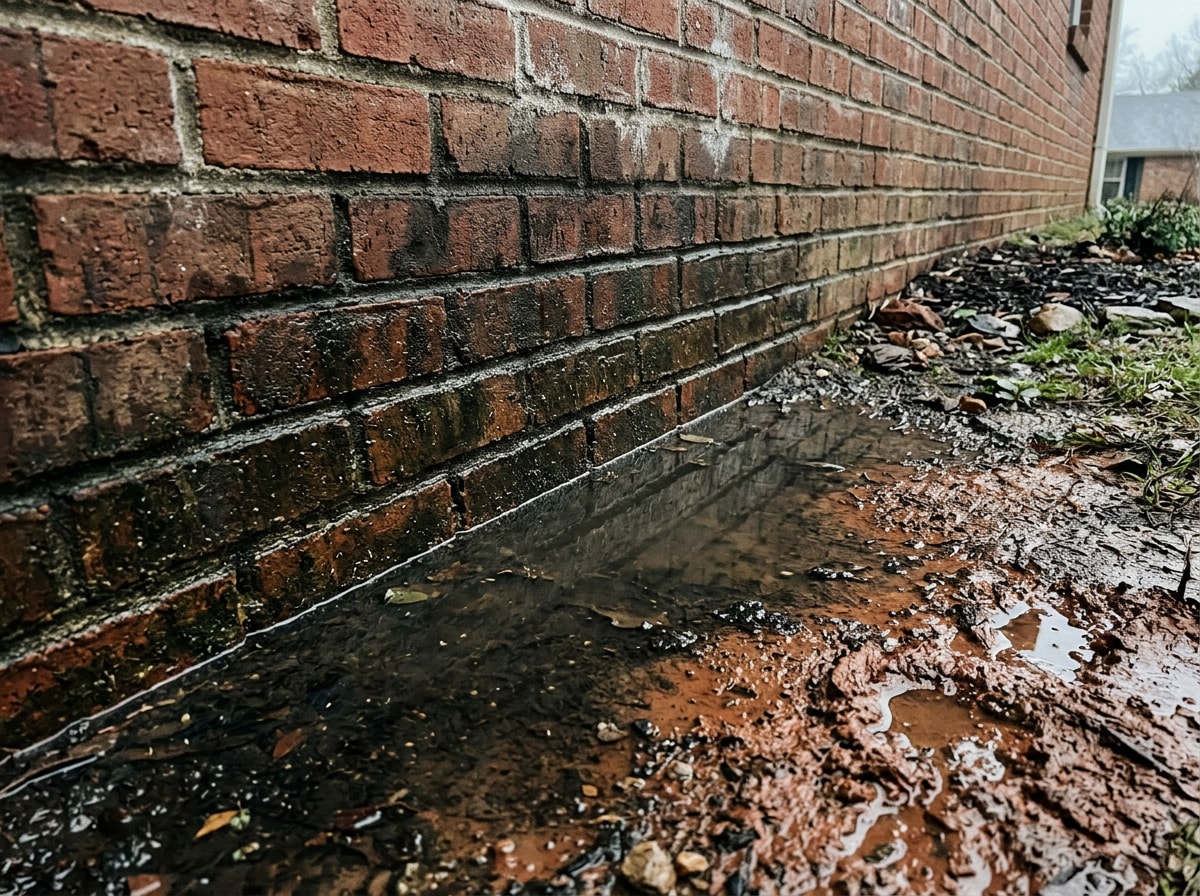
Mauldin sits in the Upstate region, where red clay soil absorbs water slowly while spring and summer storms dump heavy rainfall in short bursts. When the ground around a foundation saturates faster than it can drain, hydrostatic pressure builds and pushes water through foundation cracks, mortar joints, and floor seams.
In our experience responding to flood calls across Mauldin after summer storms, the water almost always traces back to one of three things: poor grading, undersized or clogged gutters, or a foundation that was never properly drained in the first place. Older neighborhoods with aging foundations are especially prone to this, but newer construction isn't immune either.
It's also worth noting that a true basement, excavated below grade on all sides, is less common in this part of South Carolina than it is further north. Many Mauldin homes instead have crawlspaces, which take on water through the same mechanism but call for different repairs. That's why our crawlspace services and basement waterproofing work overlap so heavily here.
Common Signs of Basement Water Intrusion in Mauldin
The most common signs of basement trouble in Mauldin are wall or floor seepage, visible foundation cracks, standing water after heavy rain, and a persistent musty smell caused by mold and mildew growth. Each one points to a different stage of water intrusion.
- Wall seepage usually shows up as dark staining or efflorescence, a white chalky residue left behind as water evaporates.
- Foundation cracks widen over time as clay soil expands and contracts with moisture changes.
- Standing water after a storm usually means the drainage around the foundation, or the lack of it, can't keep up with local rainfall volume.
- Musty odors signal active mold growth, which the
EPA's guidance is built around helping homeowners clean up residential mold problems and prevent mold growth in the first place.
Left unaddressed, chronic dampness keeps feeding that mold cycle. The source of the water, not the mold itself, is always the real problem to solve.
Basement Flooding Solutions: Interior, Exterior, and Drainage Systems
Most Mauldin homes need one of three approaches, or some combination of them, depending on how severe the water problem is.
| Solution | What's Involved | Typical Cost Range |
|---|---|---|
| Interior sealing & crack injection | Interior drain channels, epoxy or polyurethane crack injection, vapor barrier | $500 – $2,500 |
| Drainage system + sump pump | Interior drain tile, sump basin, pump installation | $2,000 – $6,000 |
| Exterior excavation & membrane | Excavation to the footing, exterior membrane, exterior drain | $8,000 – $15,000+ |
These are general ranges homeowners in the Upstate typically see quoted; actual pricing depends on wall length, excavation depth, and soil conditions, which is exactly why a walk-through inspection matters more than a phone estimate.
Interior Basement Waterproofing Systems
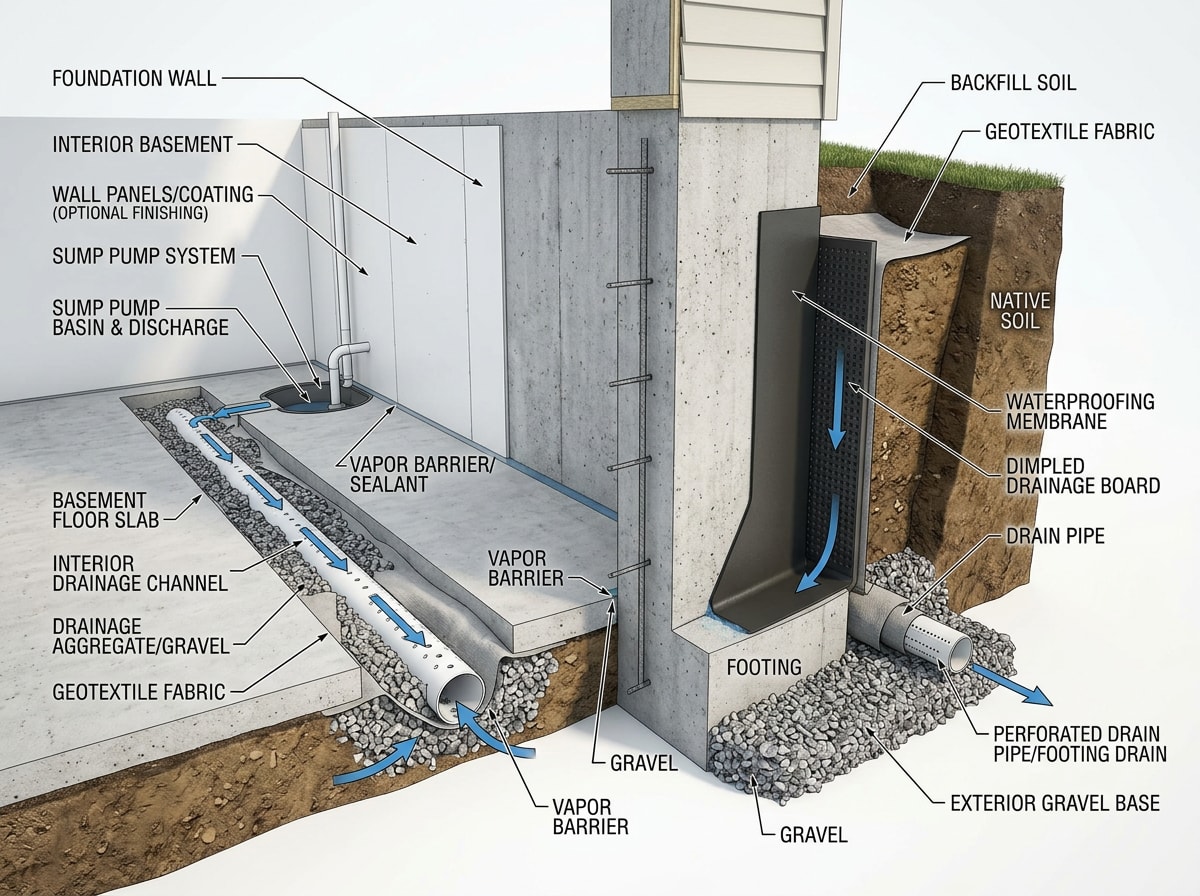
Interior waterproofing manages water after it reaches the foundation wall rather than stopping it outside. A contractor installs interior drainage channels along the floor's perimeter, applies sealant to cracks, and may add a vapor barrier to control moisture transfer.
This approach works best for minor seepage, hairline cracks, or cosmetic dampness, not for basements that take on standing water during storms. If water has already gotten in, water extraction and structural drying need to happen before any sealant work, or the moisture just gets trapped behind it.
Exterior Basement Waterproofing Solutions
Exterior waterproofing addresses the problem at its source, outside the foundation wall. It involves excavation down to the footing, a foundation membrane applied to the exterior wall, and a drainage system that redirects water away from the house before it reaches the concrete.
This method is more disruptive to landscaping and costs more upfront, but it's widely considered the most permanent fix because it stops water before it contacts the structure at all. For homes with crawlspaces instead of basements, crawlspace waterproofing accomplishes the same outcome.
Drainage Systems & Sump Pump Installation
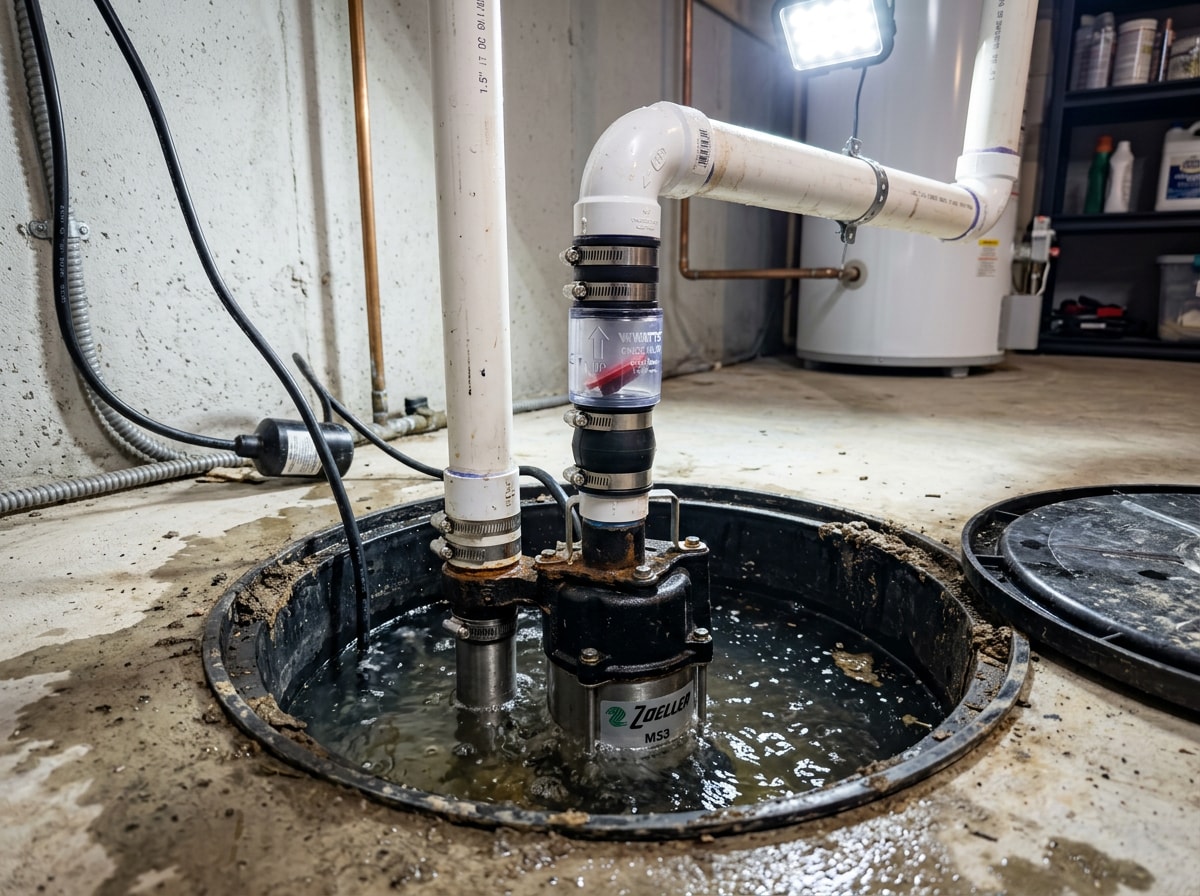
An interior drain tile, sometimes called a French drain, channels water that gets past the foundation into a sump basin, where a pump pushes it outside and away from the home. For crawlspace homes, crawlspace drainage installation works on the same principle.
Pump choice matters more than most homeowners expect:
| Pump Type | Noise & Setup | Best Fit |
|---|---|---|
| Pedestal | Motor sits above the basin, exposed; louder but easy to service | Light to moderate water flow |
| Submersible | Motor sealed inside the basin; quieter, handles higher volume | Frequent heavy flow, finished basements |
A battery backup sump pump is worth the added cost in almost every case. During extreme rainfall events, stormwater and sewage can back up into basement areas, and although some buildings with basements may have sump pumps, those pumps are not designed to handle large amounts of water, nor will they work when electricity is off, so you would need to add battery storage or a generator if you want the sump pump to work during a power outage. That's exactly the scenario Mauldin sees every time a strong storm rolls through.
Emergency Response When Water Is Already Inside
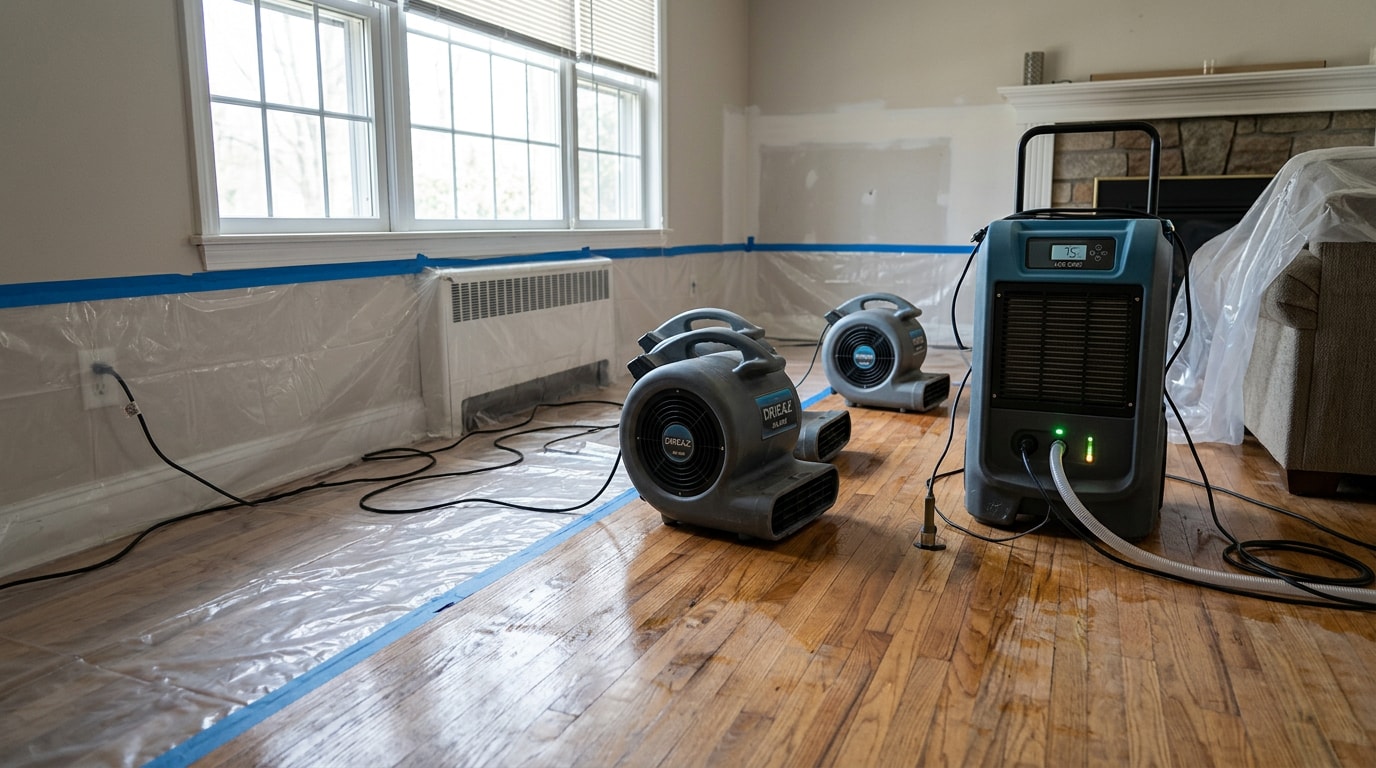
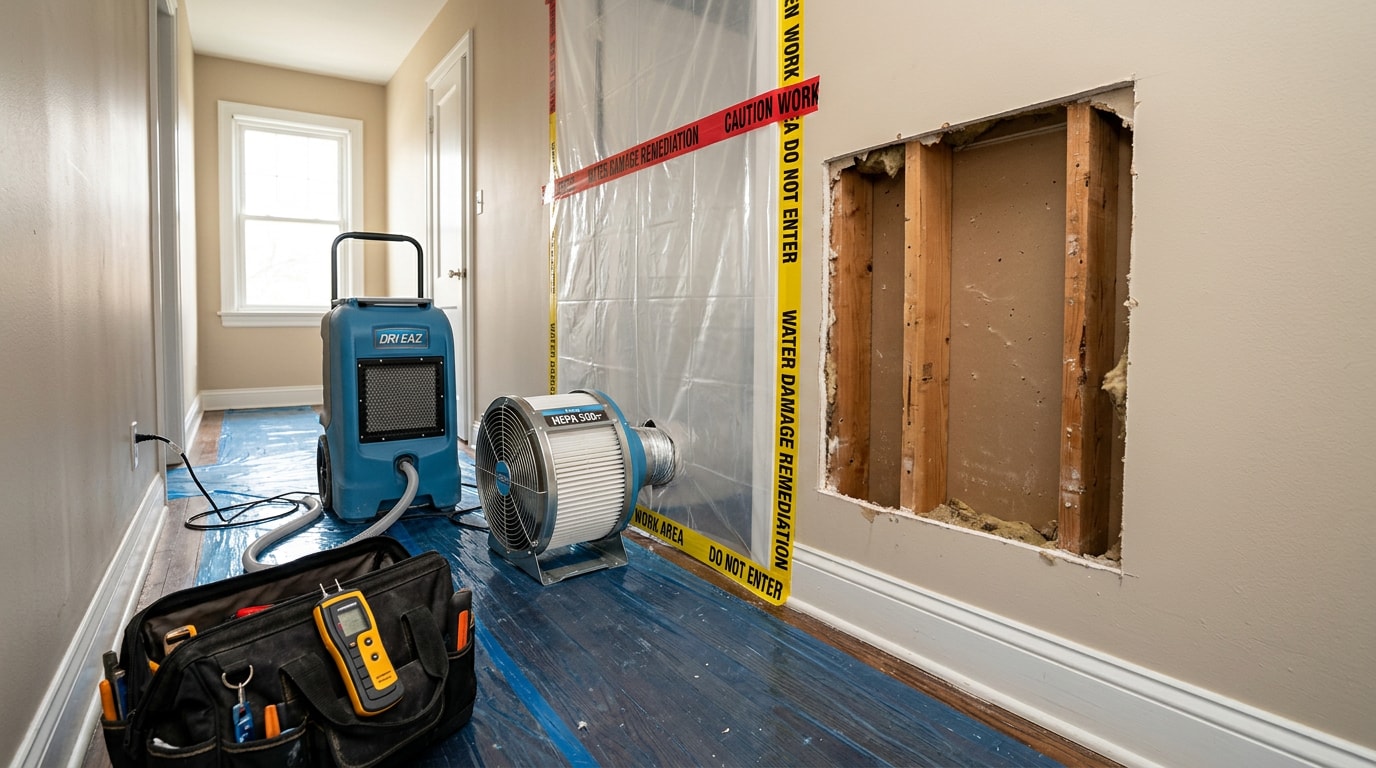
If your basement is actively flooding right now, waterproofing conversations can wait. The first priority is getting standing water out and the space drying before mold and structural damage set in.
Local crews who already work in Mauldin know which neighborhoods sit on poor-draining clay, which streets flood first, and how to mobilize fast. That familiarity usually means same-day scheduling instead of a multi-week wait. Our team handles water extraction, structural drying, and mold abatement as part of one coordinated response rather than three separate phone calls.
If you're trying to figure out whether your situation calls for a quick cleanup or a longer mitigation process, our breakdown of water mitigation versus remediation in Simpsonville explains the difference in plain terms. Get a free estimate if you need someone on-site today.
The Benefits of Professional Basement Waterproofing Services
A properly waterproofed basement protects more than belongings. It preserves home value by preventing the structural and moisture damage that scares off buyers during an inspection, and it often unlocks usable square footage, turning dead storage into finished living space.
Professional work addresses the root cause rather than masking symptoms. A store-bought sealant might hide a stain temporarily, but it won't stop hydrostatic pressure or fix a structural crack. Paying for a proper system now typically costs far less than repairing water damage, mold remediation, and a failed inspection later. Our water damage restoration services cover that full chain, from first response to final drying.
How to Choose the Right Contractor in Mauldin
Before hiring anyone, run through a short checklist rather than relying on a sales pitch:
- Confirm they're licensed and insured.
- Ask whether they offer a free inspection before quoting a price.
- Request transparent pricing broken down by method, not a vague lump sum.
- Ask how long they've worked specifically in the Mauldin area, since soil and drainage patterns vary block to block.
- Make sure they explain why they're recommending interior versus exterior work, not just upselling the most expensive option.
Our Mauldin, SC service area page covers the specific neighborhoods we serve, and our homepage has more on how we approach water damage and crawlspace work across the Upstate.
FAQ
What are the three types of basement waterproofing?
The three types are interior sealing, exterior excavation with a membrane, and drainage systems paired with a sump pump. Interior sealing manages minor seepage from inside, exterior waterproofing blocks water before it reaches the foundation, and drainage-to-sump systems redirect water that does get through. Most homes use one primary method, occasionally combined with a secondary one.
How much does it cost to waterproof a basement in Mauldin, SC?
Interior sealant and crack injection work typically runs $500–$2,500, drainage and sump pump systems run $2,000–$6,000, and full exterior excavation with a foundation membrane can run $8,000–$15,000 or more depending on wall length and excavation depth. Soil conditions in the Upstate can push quotes toward the higher end of these ranges.
Does homeowners insurance cover basement flooding?
Standard homeowners insurance usually covers sudden water damage, such as a burst pipe or failed appliance, but it typically excludes rainwater or groundwater seepage into a basement. In most cases, NFIP flood insurance does not cover groundwater seepage, since NFIP flood insurance covers direct physical losses caused by "flood."
Basement coverage through FEMA's National Flood Insurance Program is limited, and the NFIP defines a basement as any area of a building with a floor below ground level on all sides. Check your policy language directly rather than assuming coverage either way.
What should I do first if my basement is flooding right now?
Shut off electricity to the affected area if it's safe to reach the panel, then stop adding more water by diverting downspouts or outdoor hoses away from the house. After that, call for emergency water extraction rather than waiting, since standing water and wet drywall start growing mold within 24 to 48 hours.
Do you replace old sump pumps?
Yes. Common signs a sump pump needs replacing include grinding noises, a pump over seven to ten years old, or one that failed to keep up during the last major storm. Replacement usually involves swapping the pump itself while reusing the existing basin and drain tile, which keeps the job quick and limits added cost.
---
Content reviewed by the IICRC-certified restoration technicians at Johnston Restoration, who respond to flooded basements and crawlspaces across Mauldin and the Upstate every storm season. Questions about your specific situation? Contact us directly.